
 TRENDING
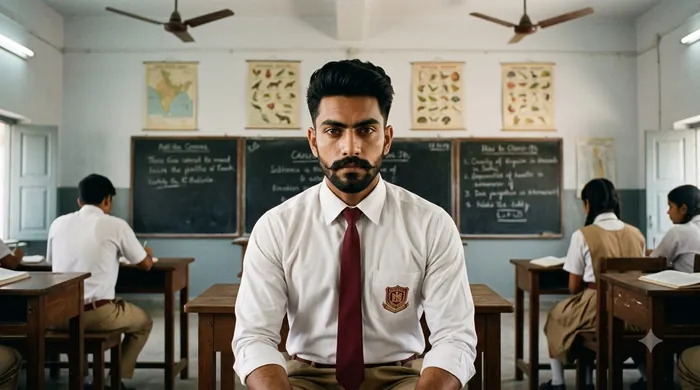
1980s School
Use the UPLOADED REFERENCE IMAGE as the absolute primary visual reference for the person/people. Recreate the same individual(s) in an authentic 1980s setting while preserving identity with maximum fidelity. REFERENCE-IMAGE PRESERVATION: - Preserve the exact facial identity, facial proportions, face shape, eyes, eyebrows, nose, lips, jawline, cheeks, ears, skin tone, natural facial asymmetry and recognizable features from the uploaded image. - Preserve the person's apparent age and natural expression unless the composition naturally requires a different expression. - Preserve the original hairstyle, hairline and hair characteristics as faithfully as possible; only make a subtle period-appropriate adjustment if necessary, without changing identity. - Preserve body proportions, posture, visible anatomy and recognizable physical characteristics from the reference. - Preserve the original clothing whenever practical if it suits the composition; otherwise adapt the clothing to authentic 1980s fashion while keeping the person's identity, body shape and visible features unchanged. - If multiple people appear in the reference, preserve EVERY person's individual identity separately and do not merge, replace, duplicate or swap faces. - Do not beautify, age, de-age, slim, enlarge eyes, reshape the nose, alter the jaw, change skin tone, or introduce generic AI facial features. - Do not invent missing facial or body parts. Keep anatomy consistent with what is actually visible in the reference. - The result must look like the SAME person photographed in the 1980s, not a different person inspired by the reference. SCENE: an Indian school setting in the 1980s with blackboards, wooden desks, ceiling fans, period uniforms and educational materials 1980s AUTHENTICITY: Build the environment, wardrobe, hairstyles, accessories, vehicles, furniture, signage, technology and small background details from the 1980s. Avoid anything invented after the era: modern smartphones, modern cars, LED panels, contemporary buildings, modern logos, modern fashion, modern screens or current digital devices. Use culturally appropriate Indian/Punjabi details when the scene calls for them. PHOTOGRAPHIC STYLE: Authentic analog 35mm photography, period-appropriate lens rendering, natural optical softness, realistic depth of field, subtle film grain, slight halation around bright highlights, gentle color fading, restrained contrast, realistic skin texture, believable shadows, natural exposure imperfections and fine photographic detail. The image should feel like a genuine photograph taken in the 1980s, not a modern image with a retro filter. COMPOSITION: Choose the framing that best matches the uploaded reference image and the scene. Maintain recognizable proportions and visual prominence of the reference subject. Use natural perspective, realistic scale, coherent lighting and physically believable interaction with the environment. Keep the person's face sharp enough for identity recognition. QUALITY AND REALISM: Ultra-photorealistic, highly detailed, natural skin pores, realistic hair strands, authentic fabric texture, physically accurate lighting, realistic hands and anatomy, coherent reflections and shadows, professional documentary/editorial photography quality. NEGATIVE INSTRUCTIONS: No face replacement, no identity drift, no different person, no facial morphing, no excessive beauty retouching, no plastic skin, no CGI appearance, no cartoon look, no anime, no distorted anatomy, no extra fingers, no duplicated people, no modern objects, no modern clothing unless unavoidable, no futuristic elements, no artificial HDR, no excessive sharpening, no fake film overlay, no watermark, no text unless naturally present in the period environment. FINAL GOAL: The uploaded reference person must remain unmistakably the same person, transported convincingly into the selected 1980s world. Prioritize identity preservation first, historical authenticity second, and cinematic photographic beauty third.
 TRENDING
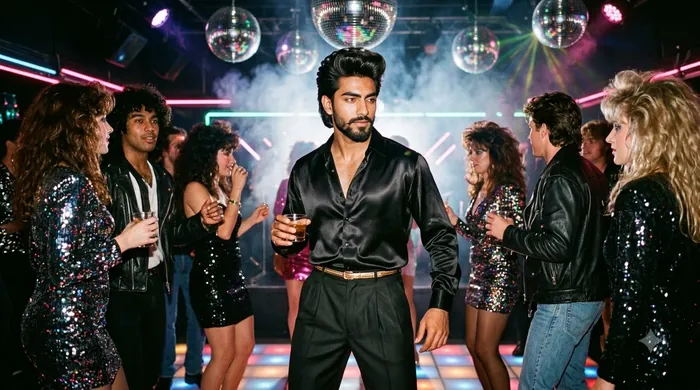
1980s Disco
Use the UPLOADED REFERENCE IMAGE as the absolute primary visual reference for the person/people. Recreate the same individual(s) in an authentic 1980s setting while preserving identity with maximum fidelity. REFERENCE-IMAGE PRESERVATION: - Preserve the exact facial identity, facial proportions, face shape, eyes, eyebrows, nose, lips, jawline, cheeks, ears, skin tone, natural facial asymmetry and recognizable features from the uploaded image. - Preserve the person's apparent age and natural expression unless the composition naturally requires a different expression. - Preserve the original hairstyle, hairline and hair characteristics as faithfully as possible; only make a subtle period-appropriate adjustment if necessary, without changing identity. - Preserve body proportions, posture, visible anatomy and recognizable physical characteristics from the reference. - Preserve the original clothing whenever practical if it suits the composition; otherwise adapt the clothing to authentic 1980s fashion while keeping the person's identity, body shape and visible features unchanged. - If multiple people appear in the reference, preserve EVERY person's individual identity separately and do not merge, replace, duplicate or swap faces. - Do not beautify, age, de-age, slim, enlarge eyes, reshape the nose, alter the jaw, change skin tone, or introduce generic AI facial features. - Do not invent missing facial or body parts. Keep anatomy consistent with what is actually visible in the reference. - The result must look like the SAME person photographed in the 1980s, not a different person inspired by the reference. SCENE: a glamorous 1980s disco environment with mirrored surfaces, dance floor lighting and authentic period fashion 1980s AUTHENTICITY: Build the environment, wardrobe, hairstyles, accessories, vehicles, furniture, signage, technology and small background details from the 1980s. Avoid anything invented after the era: modern smartphones, modern cars, LED panels, contemporary buildings, modern logos, modern fashion, modern screens or current digital devices. Use culturally appropriate Indian/Punjabi details when the scene calls for them. PHOTOGRAPHIC STYLE: Authentic analog 35mm photography, period-appropriate lens rendering, natural optical softness, realistic depth of field, subtle film grain, slight halation around bright highlights, gentle color fading, restrained contrast, realistic skin texture, believable shadows, natural exposure imperfections and fine photographic detail. The image should feel like a genuine photograph taken in the 1980s, not a modern image with a retro filter. COMPOSITION: Choose the framing that best matches the uploaded reference image and the scene. Maintain recognizable proportions and visual prominence of the reference subject. Use natural perspective, realistic scale, coherent lighting and physically believable interaction with the environment. Keep the person's face sharp enough for identity recognition. QUALITY AND REALISM: Ultra-photorealistic, highly detailed, natural skin pores, realistic hair strands, authentic fabric texture, physically accurate lighting, realistic hands and anatomy, coherent reflections and shadows, professional documentary/editorial photography quality. NEGATIVE INSTRUCTIONS: No face replacement, no identity drift, no different person, no facial morphing, no excessive beauty retouching, no plastic skin, no CGI appearance, no cartoon look, no anime, no distorted anatomy, no extra fingers, no duplicated people, no modern objects, no modern clothing unless unavoidable, no futuristic elements, no artificial HDR, no excessive sharpening, no fake film overlay, no watermark, no text unless naturally present in the period environment. FINAL GOAL: The uploaded reference person must remain unmistakably the same person, transported convincingly into the selected 1980s world. Prioritize identity preservation first, historical authenticity second, and cinematic photographic beauty third.
 TOP
TOP
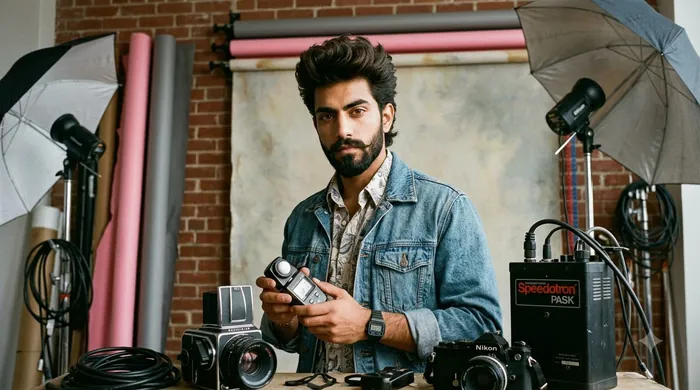
1980s Photography Studio
Use the UPLOADED REFERENCE IMAGE as the absolute primary visual reference for the person/people. Recreate the same individual(s) in an authentic 1980s setting while preserving identity with maximum fidelity. REFERENCE-IMAGE PRESERVATION: - Preserve the exact facial identity, facial proportions, face shape, eyes, eyebrows, nose, lips, jawline, cheeks, ears, skin tone, natural facial asymmetry and recognizable features from the uploaded image. - Preserve the person's apparent age and natural expression unless the composition naturally requires a different expression. - Preserve the original hairstyle, hairline and hair characteristics as faithfully as possible; only make a subtle period-appropriate adjustment if necessary, without changing identity. - Preserve body proportions, posture, visible anatomy and recognizable physical characteristics from the reference. - Preserve the original clothing whenever practical if it suits the composition; otherwise adapt the clothing to authentic 1980s fashion while keeping the person's identity, body shape and visible features unchanged. - If multiple people appear in the reference, preserve EVERY person's individual identity separately and do not merge, replace, duplicate or swap faces. - Do not beautify, age, de-age, slim, enlarge eyes, reshape the nose, alter the jaw, change skin tone, or introduce generic AI facial features. - Do not invent missing facial or body parts. Keep anatomy consistent with what is actually visible in the reference. - The result must look like the SAME person photographed in the 1980s, not a different person inspired by the reference. SCENE: a behind-the-scenes 1980s photography studio containing analog cameras, flash equipment, backdrops and light meters 1980s AUTHENTICITY: Build the environment, wardrobe, hairstyles, accessories, vehicles, furniture, signage, technology and small background details from the 1980s. Avoid anything invented after the era: modern smartphones, modern cars, LED panels, contemporary buildings, modern logos, modern fashion, modern screens or current digital devices. Use culturally appropriate Indian/Punjabi details when the scene calls for them. PHOTOGRAPHIC STYLE: Authentic analog 35mm photography, period-appropriate lens rendering, natural optical softness, realistic depth of field, subtle film grain, slight halation around bright highlights, gentle color fading, restrained contrast, realistic skin texture, believable shadows, natural exposure imperfections and fine photographic detail. The image should feel like a genuine photograph taken in the 1980s, not a modern image with a retro filter. COMPOSITION: Choose the framing that best matches the uploaded reference image and the scene. Maintain recognizable proportions and visual prominence of the reference subject. Use natural perspective, realistic scale, coherent lighting and physically believable interaction with the environment. Keep the person's face sharp enough for identity recognition. QUALITY AND REALISM: Ultra-photorealistic, highly detailed, natural skin pores, realistic hair strands, authentic fabric texture, physically accurate lighting, realistic hands and anatomy, coherent reflections and shadows, professional documentary/editorial photography quality. NEGATIVE INSTRUCTIONS: No face replacement, no identity drift, no different person, no facial morphing, no excessive beauty retouching, no plastic skin, no CGI appearance, no cartoon look, no anime, no distorted anatomy, no extra fingers, no duplicated people, no modern objects, no modern clothing unless unavoidable, no futuristic elements, no artificial HDR, no excessive sharpening, no fake film overlay, no watermark, no text unless naturally present in the period environment. FINAL GOAL: The uploaded reference person must remain unmistakably the same person, transported convincingly into the selected 1980s world. Prioritize identity preservation first, historical authenticity second, and cinematic photographic beauty third.
 TOP
TOP
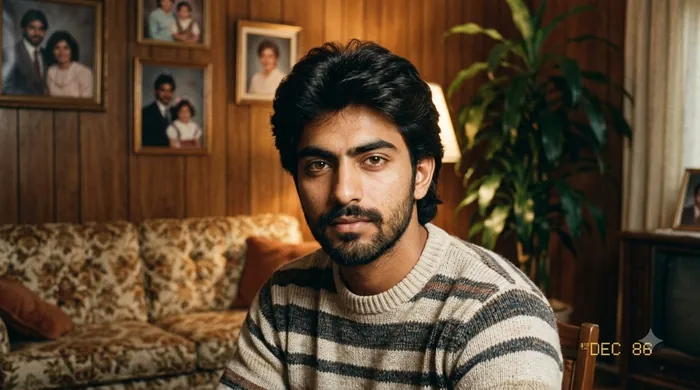
1980s Nostalgic Family Album Photo
Reimagine the uploaded photo as a genuine nostalgic family photograph captured in the 1980s on an analog 35mm film camera, while preserving the subject's identity, facial features, face shape, proportions, expression, and natural appearance as accurately as possible. Create an authentic everyday 1980s atmosphere rather than simply applying a modern retro filter. Introduce tasteful period-appropriate clothing, hairstyle, and styling while keeping the person recognizable and realistic. Place the subject in a believable 1980s environment such as a warmly lit family living room, classic home interior, neighborhood setting, or simple vintage photo backdrop, depending on what best suits the original composition. Recreate authentic consumer-film characteristics: warm indoor tungsten lighting or soft late-afternoon light, slightly imperfect exposure, realistic fine-to-medium film grain, gentle color fading, soft contrast, mild lens softness, subtle highlight halation, natural shadows, and believable analog color rendition. Add understated period details such as vintage furniture, décor, textures, and background elements without making the scene feel artificial or overcrowded. The photograph should resemble a real old family-album print that has naturally aged over several decades and was later scanned in high quality. Preserve realistic skin texture and photographic depth. Avoid digital-filter appearance, excessive sepia, oversaturation, HDR, artificial sharpening, plastic skin, modern fashion, cartoon styling, AI illustration, excessive scratches, heavy damage, or unrealistic facial alterations. The final image should be highly photorealistic, warm, nostalgic, emotionally authentic, and convincingly look like a real 1980s family photograph.
 TOP
TOP
1980s Graduation
Use the UPLOADED REFERENCE IMAGE as the absolute primary visual reference for the person/people. Recreate the same individual(s) in an authentic 1980s setting while preserving identity with maximum fidelity. REFERENCE-IMAGE PRESERVATION: - Preserve the exact facial identity, facial proportions, face shape, eyes, eyebrows, nose, lips, jawline, cheeks, ears, skin tone, natural facial asymmetry and recognizable features from the uploaded image. - Preserve the person's apparent age and natural expression unless the composition naturally requires a different expression. - Preserve the original hairstyle, hairline and hair characteristics as faithfully as possible; only make a subtle period-appropriate adjustment if necessary, without changing identity. - Preserve body proportions, posture, visible anatomy and recognizable physical characteristics from the reference. - Preserve the original clothing whenever practical if it suits the composition; otherwise adapt the clothing to authentic 1980s fashion while keeping the person's identity, body shape and visible features unchanged. - If multiple people appear in the reference, preserve EVERY person's individual identity separately and do not merge, replace, duplicate or swap faces. - Do not beautify, age, de-age, slim, enlarge eyes, reshape the nose, alter the jaw, change skin tone, or introduce generic AI facial features. - Do not invent missing facial or body parts. Keep anatomy consistent with what is actually visible in the reference. - The result must look like the SAME person photographed in the 1980s, not a different person inspired by the reference. SCENE: a formal 1980s graduation-style portrait with books or certificate, simple backdrop and period academic clothing 1980s AUTHENTICITY: Build the environment, wardrobe, hairstyles, accessories, vehicles, furniture, signage, technology and small background details from the 1980s. Avoid anything invented after the era: modern smartphones, modern cars, LED panels, contemporary buildings, modern logos, modern fashion, modern screens or current digital devices. Use culturally appropriate Indian/Punjabi details when the scene calls for them. PHOTOGRAPHIC STYLE: Authentic analog 35mm photography, period-appropriate lens rendering, natural optical softness, realistic depth of field, subtle film grain, slight halation around bright highlights, gentle color fading, restrained contrast, realistic skin texture, believable shadows, natural exposure imperfections and fine photographic detail. The image should feel like a genuine photograph taken in the 1980s, not a modern image with a retro filter. COMPOSITION: Choose the framing that best matches the uploaded reference image and the scene. Maintain recognizable proportions and visual prominence of the reference subject. Use natural perspective, realistic scale, coherent lighting and physically believable interaction with the environment. Keep the person's face sharp enough for identity recognition. QUALITY AND REALISM: Ultra-photorealistic, highly detailed, natural skin pores, realistic hair strands, authentic fabric texture, physically accurate lighting, realistic hands and anatomy, coherent reflections and shadows, professional documentary/editorial photography quality. NEGATIVE INSTRUCTIONS: No face replacement, no identity drift, no different person, no facial morphing, no excessive beauty retouching, no plastic skin, no CGI appearance, no cartoon look, no anime, no distorted anatomy, no extra fingers, no duplicated people, no modern objects, no modern clothing unless unavoidable, no futuristic elements, no artificial HDR, no excessive sharpening, no fake film overlay, no watermark, no text unless naturally present in the period environment. FINAL GOAL: The uploaded reference person must remain unmistakably the same person, transported convincingly into the selected 1980s world. Prioritize identity preservation first, historical authenticity second, and cinematic photographic beauty third.
 TOP
TOP
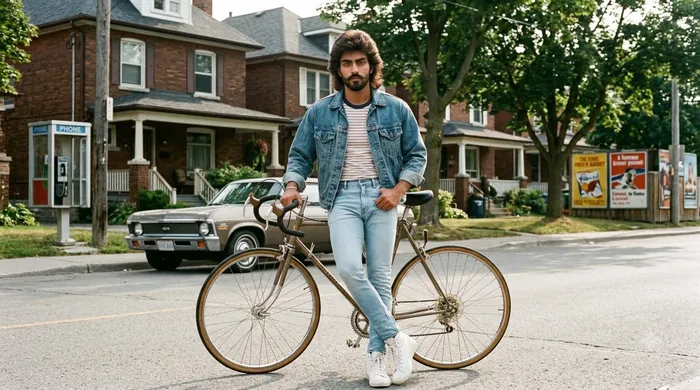
1980s Bicycle Scene
Use the UPLOADED REFERENCE IMAGE as the absolute primary visual reference for the person/people. Recreate the same individual(s) in an authentic 1980s setting while preserving identity with maximum fidelity. REFERENCE-IMAGE PRESERVATION: - Preserve the exact facial identity, facial proportions, face shape, eyes, eyebrows, nose, lips, jawline, cheeks, ears, skin tone, natural facial asymmetry and recognizable features from the uploaded image. - Preserve the person's apparent age and natural expression unless the composition naturally requires a different expression. - Preserve the original hairstyle, hairline and hair characteristics as faithfully as possible; only make a subtle period-appropriate adjustment if necessary, without changing identity. - Preserve body proportions, posture, visible anatomy and recognizable physical characteristics from the reference. - Preserve the original clothing whenever practical if it suits the composition; otherwise adapt the clothing to authentic 1980s fashion while keeping the person's identity, body shape and visible features unchanged. - If multiple people appear in the reference, preserve EVERY person's individual identity separately and do not merge, replace, duplicate or swap faces. - Do not beautify, age, de-age, slim, enlarge eyes, reshape the nose, alter the jaw, change skin tone, or introduce generic AI facial features. - Do not invent missing facial or body parts. Keep anatomy consistent with what is actually visible in the reference. - The result must look like the SAME person photographed in the 1980s, not a different person inspired by the reference. SCENE: a charming 1980s neighborhood street with a classic bicycle, low-rise homes and period street details 1980s AUTHENTICITY: Build the environment, wardrobe, hairstyles, accessories, vehicles, furniture, signage, technology and small background details from the 1980s. Avoid anything invented after the era: modern smartphones, modern cars, LED panels, contemporary buildings, modern logos, modern fashion, modern screens or current digital devices. Use culturally appropriate Indian/Punjabi details when the scene calls for them. PHOTOGRAPHIC STYLE: Authentic analog 35mm photography, period-appropriate lens rendering, natural optical softness, realistic depth of field, subtle film grain, slight halation around bright highlights, gentle color fading, restrained contrast, realistic skin texture, believable shadows, natural exposure imperfections and fine photographic detail. The image should feel like a genuine photograph taken in the 1980s, not a modern image with a retro filter. COMPOSITION: Choose the framing that best matches the uploaded reference image and the scene. Maintain recognizable proportions and visual prominence of the reference subject. Use natural perspective, realistic scale, coherent lighting and physically believable interaction with the environment. Keep the person's face sharp enough for identity recognition. QUALITY AND REALISM: Ultra-photorealistic, highly detailed, natural skin pores, realistic hair strands, authentic fabric texture, physically accurate lighting, realistic hands and anatomy, coherent reflections and shadows, professional documentary/editorial photography quality. NEGATIVE INSTRUCTIONS: No face replacement, no identity drift, no different person, no facial morphing, no excessive beauty retouching, no plastic skin, no CGI appearance, no cartoon look, no anime, no distorted anatomy, no extra fingers, no duplicated people, no modern objects, no modern clothing unless unavoidable, no futuristic elements, no artificial HDR, no excessive sharpening, no fake film overlay, no watermark, no text unless naturally present in the period environment. FINAL GOAL: The uploaded reference person must remain unmistakably the same person, transported convincingly into the selected 1980s world. Prioritize identity preservation first, historical authenticity second, and cinematic photographic beauty third.
 HOT
HOT
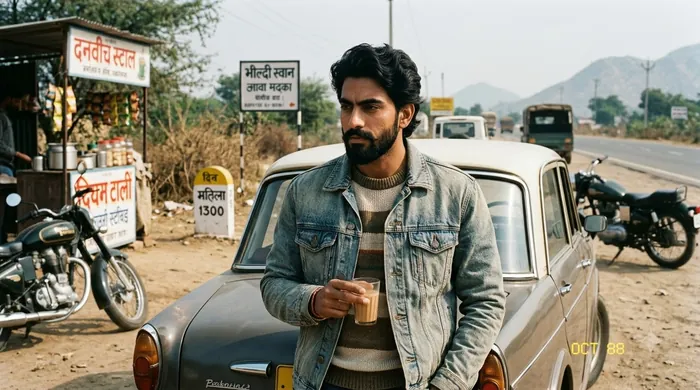
1980s Road Trip
Use the UPLOADED REFERENCE IMAGE as the absolute primary visual reference for the person/people. Recreate the same individual(s) in an authentic 1980s setting while preserving identity with maximum fidelity. REFERENCE-IMAGE PRESERVATION: - Preserve the exact facial identity, facial proportions, face shape, eyes, eyebrows, nose, lips, jawline, cheeks, ears, skin tone, natural facial asymmetry and recognizable features from the uploaded image. - Preserve the person's apparent age and natural expression unless the composition naturally requires a different expression. - Preserve the original hairstyle, hairline and hair characteristics as faithfully as possible; only make a subtle period-appropriate adjustment if necessary, without changing identity. - Preserve body proportions, posture, visible anatomy and recognizable physical characteristics from the reference. - Preserve the original clothing whenever practical if it suits the composition; otherwise adapt the clothing to authentic 1980s fashion while keeping the person's identity, body shape and visible features unchanged. - If multiple people appear in the reference, preserve EVERY person's individual identity separately and do not merge, replace, duplicate or swap faces. - Do not beautify, age, de-age, slim, enlarge eyes, reshape the nose, alter the jaw, change skin tone, or introduce generic AI facial features. - Do not invent missing facial or body parts. Keep anatomy consistent with what is actually visible in the reference. - The result must look like the SAME person photographed in the 1980s, not a different person inspired by the reference. SCENE: an open Indian highway in the 1980s with a period vehicle, roadside tea stalls, milestone signs and natural scenery 1980s AUTHENTICITY: Build the environment, wardrobe, hairstyles, accessories, vehicles, furniture, signage, technology and small background details from the 1980s. Avoid anything invented after the era: modern smartphones, modern cars, LED panels, contemporary buildings, modern logos, modern fashion, modern screens or current digital devices. Use culturally appropriate Indian/Punjabi details when the scene calls for them. PHOTOGRAPHIC STYLE: Authentic analog 35mm photography, period-appropriate lens rendering, natural optical softness, realistic depth of field, subtle film grain, slight halation around bright highlights, gentle color fading, restrained contrast, realistic skin texture, believable shadows, natural exposure imperfections and fine photographic detail. The image should feel like a genuine photograph taken in the 1980s, not a modern image with a retro filter. COMPOSITION: Choose the framing that best matches the uploaded reference image and the scene. Maintain recognizable proportions and visual prominence of the reference subject. Use natural perspective, realistic scale, coherent lighting and physically believable interaction with the environment. Keep the person's face sharp enough for identity recognition. QUALITY AND REALISM: Ultra-photorealistic, highly detailed, natural skin pores, realistic hair strands, authentic fabric texture, physically accurate lighting, realistic hands and anatomy, coherent reflections and shadows, professional documentary/editorial photography quality. NEGATIVE INSTRUCTIONS: No face replacement, no identity drift, no different person, no facial morphing, no excessive beauty retouching, no plastic skin, no CGI appearance, no cartoon look, no anime, no distorted anatomy, no extra fingers, no duplicated people, no modern objects, no modern clothing unless unavoidable, no futuristic elements, no artificial HDR, no excessive sharpening, no fake film overlay, no watermark, no text unless naturally present in the period environment. FINAL GOAL: The uploaded reference person must remain unmistakably the same person, transported convincingly into the selected 1980s world. Prioritize identity preservation first, historical authenticity second, and cinematic photographic beauty third.
 TOP
TOP
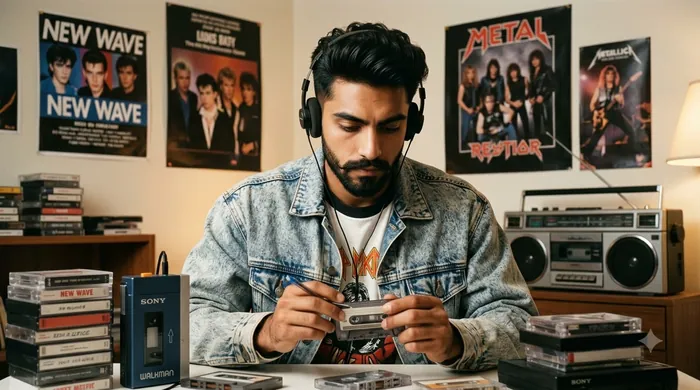
1980s Cassette Culture
Use the UPLOADED REFERENCE IMAGE as the absolute primary visual reference for the person/people. Recreate the same individual(s) in an authentic 1980s setting while preserving identity with maximum fidelity. REFERENCE-IMAGE PRESERVATION: - Preserve the exact facial identity, facial proportions, face shape, eyes, eyebrows, nose, lips, jawline, cheeks, ears, skin tone, natural facial asymmetry and recognizable features from the uploaded image. - Preserve the person's apparent age and natural expression unless the composition naturally requires a different expression. - Preserve the original hairstyle, hairline and hair characteristics as faithfully as possible; only make a subtle period-appropriate adjustment if necessary, without changing identity. - Preserve body proportions, posture, visible anatomy and recognizable physical characteristics from the reference. - Preserve the original clothing whenever practical if it suits the composition; otherwise adapt the clothing to authentic 1980s fashion while keeping the person's identity, body shape and visible features unchanged. - If multiple people appear in the reference, preserve EVERY person's individual identity separately and do not merge, replace, duplicate or swap faces. - Do not beautify, age, de-age, slim, enlarge eyes, reshape the nose, alter the jaw, change skin tone, or introduce generic AI facial features. - Do not invent missing facial or body parts. Keep anatomy consistent with what is actually visible in the reference. - The result must look like the SAME person photographed in the 1980s, not a different person inspired by the reference. SCENE: a nostalgic 1980s bedroom or music corner with cassette tapes, a cassette player, headphones and period posters 1980s AUTHENTICITY: Build the environment, wardrobe, hairstyles, accessories, vehicles, furniture, signage, technology and small background details from the 1980s. Avoid anything invented after the era: modern smartphones, modern cars, LED panels, contemporary buildings, modern logos, modern fashion, modern screens or current digital devices. Use culturally appropriate Indian/Punjabi details when the scene calls for them. PHOTOGRAPHIC STYLE: Authentic analog 35mm photography, period-appropriate lens rendering, natural optical softness, realistic depth of field, subtle film grain, slight halation around bright highlights, gentle color fading, restrained contrast, realistic skin texture, believable shadows, natural exposure imperfections and fine photographic detail. The image should feel like a genuine photograph taken in the 1980s, not a modern image with a retro filter. COMPOSITION: Choose the framing that best matches the uploaded reference image and the scene. Maintain recognizable proportions and visual prominence of the reference subject. Use natural perspective, realistic scale, coherent lighting and physically believable interaction with the environment. Keep the person's face sharp enough for identity recognition. QUALITY AND REALISM: Ultra-photorealistic, highly detailed, natural skin pores, realistic hair strands, authentic fabric texture, physically accurate lighting, realistic hands and anatomy, coherent reflections and shadows, professional documentary/editorial photography quality. NEGATIVE INSTRUCTIONS: No face replacement, no identity drift, no different person, no facial morphing, no excessive beauty retouching, no plastic skin, no CGI appearance, no cartoon look, no anime, no distorted anatomy, no extra fingers, no duplicated people, no modern objects, no modern clothing unless unavoidable, no futuristic elements, no artificial HDR, no excessive sharpening, no fake film overlay, no watermark, no text unless naturally present in the period environment. FINAL GOAL: The uploaded reference person must remain unmistakably the same person, transported convincingly into the selected 1980s world. Prioritize identity preservation first, historical authenticity second, and cinematic photographic beauty third.
 HOT
HOT
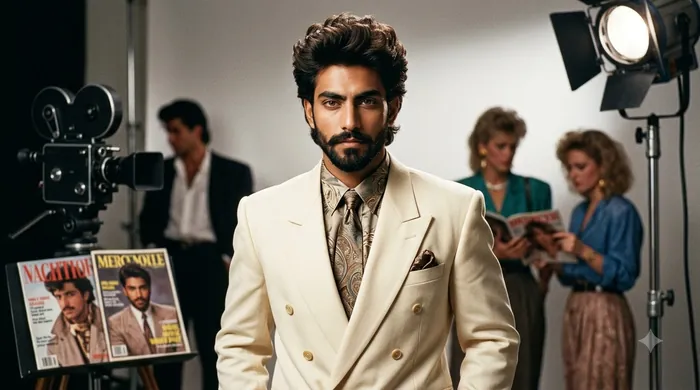
1980s Magazine Editorial
Use the UPLOADED REFERENCE IMAGE as the absolute primary visual reference for the person/people. Recreate the same individual(s) in an authentic 1980s setting while preserving identity with maximum fidelity. REFERENCE-IMAGE PRESERVATION: - Preserve the exact facial identity, facial proportions, face shape, eyes, eyebrows, nose, lips, jawline, cheeks, ears, skin tone, natural facial asymmetry and recognizable features from the uploaded image. - Preserve the person's apparent age and natural expression unless the composition naturally requires a different expression. - Preserve the original hairstyle, hairline and hair characteristics as faithfully as possible; only make a subtle period-appropriate adjustment if necessary, without changing identity. - Preserve body proportions, posture, visible anatomy and recognizable physical characteristics from the reference. - Preserve the original clothing whenever practical if it suits the composition; otherwise adapt the clothing to authentic 1980s fashion while keeping the person's identity, body shape and visible features unchanged. - If multiple people appear in the reference, preserve EVERY person's individual identity separately and do not merge, replace, duplicate or swap faces. - Do not beautify, age, de-age, slim, enlarge eyes, reshape the nose, alter the jaw, change skin tone, or introduce generic AI facial features. - Do not invent missing facial or body parts. Keep anatomy consistent with what is actually visible in the reference. - The result must look like the SAME person photographed in the 1980s, not a different person inspired by the reference. SCENE: a sophisticated 1980s fashion-magazine editorial set with bold studio lighting and polished period styling 1980s AUTHENTICITY: Build the environment, wardrobe, hairstyles, accessories, vehicles, furniture, signage, technology and small background details from the 1980s. Avoid anything invented after the era: modern smartphones, modern cars, LED panels, contemporary buildings, modern logos, modern fashion, modern screens or current digital devices. Use culturally appropriate Indian/Punjabi details when the scene calls for them. PHOTOGRAPHIC STYLE: Authentic analog 35mm photography, period-appropriate lens rendering, natural optical softness, realistic depth of field, subtle film grain, slight halation around bright highlights, gentle color fading, restrained contrast, realistic skin texture, believable shadows, natural exposure imperfections and fine photographic detail. The image should feel like a genuine photograph taken in the 1980s, not a modern image with a retro filter. COMPOSITION: Choose the framing that best matches the uploaded reference image and the scene. Maintain recognizable proportions and visual prominence of the reference subject. Use natural perspective, realistic scale, coherent lighting and physically believable interaction with the environment. Keep the person's face sharp enough for identity recognition. QUALITY AND REALISM: Ultra-photorealistic, highly detailed, natural skin pores, realistic hair strands, authentic fabric texture, physically accurate lighting, realistic hands and anatomy, coherent reflections and shadows, professional documentary/editorial photography quality. NEGATIVE INSTRUCTIONS: No face replacement, no identity drift, no different person, no facial morphing, no excessive beauty retouching, no plastic skin, no CGI appearance, no cartoon look, no anime, no distorted anatomy, no extra fingers, no duplicated people, no modern objects, no modern clothing unless unavoidable, no futuristic elements, no artificial HDR, no excessive sharpening, no fake film overlay, no watermark, no text unless naturally present in the period environment. FINAL GOAL: The uploaded reference person must remain unmistakably the same person, transported convincingly into the selected 1980s world. Prioritize identity preservation first, historical authenticity second, and cinematic photographic beauty third.
 HOT
HOT
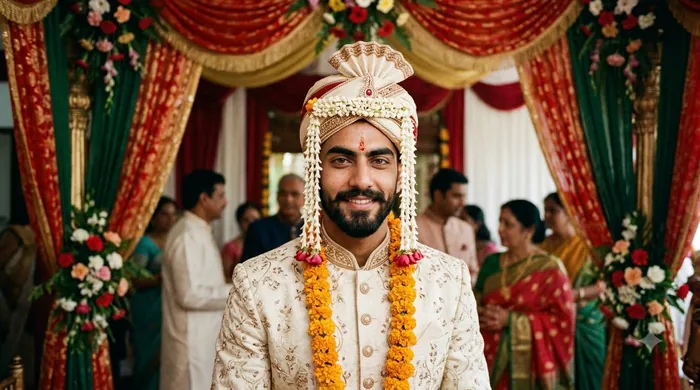
1980s Wedding Portrait
Use the UPLOADED REFERENCE IMAGE as the absolute primary visual reference for the person/people. Recreate the same individual(s) in an authentic 1980s setting while preserving identity with maximum fidelity. REFERENCE-IMAGE PRESERVATION: - Preserve the exact facial identity, facial proportions, face shape, eyes, eyebrows, nose, lips, jawline, cheeks, ears, skin tone, natural facial asymmetry and recognizable features from the uploaded image. - Preserve the person's apparent age and natural expression unless the composition naturally requires a different expression. - Preserve the original hairstyle, hairline and hair characteristics as faithfully as possible; only make a subtle period-appropriate adjustment if necessary, without changing identity. - Preserve body proportions, posture, visible anatomy and recognizable physical characteristics from the reference. - Preserve the original clothing whenever practical if it suits the composition; otherwise adapt the clothing to authentic 1980s fashion while keeping the person's identity, body shape and visible features unchanged. - If multiple people appear in the reference, preserve EVERY person's individual identity separately and do not merge, replace, duplicate or swap faces. - Do not beautify, age, de-age, slim, enlarge eyes, reshape the nose, alter the jaw, change skin tone, or introduce generic AI facial features. - Do not invent missing facial or body parts. Keep anatomy consistent with what is actually visible in the reference. - The result must look like the SAME person photographed in the 1980s, not a different person inspired by the reference. SCENE: an elegant Indian wedding setting from the 1980s with traditional decorations, flowers and period-accurate ceremonial details 1980s AUTHENTICITY: Build the environment, wardrobe, hairstyles, accessories, vehicles, furniture, signage, technology and small background details from the 1980s. Avoid anything invented after the era: modern smartphones, modern cars, LED panels, contemporary buildings, modern logos, modern fashion, modern screens or current digital devices. Use culturally appropriate Indian/Punjabi details when the scene calls for them. PHOTOGRAPHIC STYLE: Authentic analog 35mm photography, period-appropriate lens rendering, natural optical softness, realistic depth of field, subtle film grain, slight halation around bright highlights, gentle color fading, restrained contrast, realistic skin texture, believable shadows, natural exposure imperfections and fine photographic detail. The image should feel like a genuine photograph taken in the 1980s, not a modern image with a retro filter. COMPOSITION: Choose the framing that best matches the uploaded reference image and the scene. Maintain recognizable proportions and visual prominence of the reference subject. Use natural perspective, realistic scale, coherent lighting and physically believable interaction with the environment. Keep the person's face sharp enough for identity recognition. QUALITY AND REALISM: Ultra-photorealistic, highly detailed, natural skin pores, realistic hair strands, authentic fabric texture, physically accurate lighting, realistic hands and anatomy, coherent reflections and shadows, professional documentary/editorial photography quality. NEGATIVE INSTRUCTIONS: No face replacement, no identity drift, no different person, no facial morphing, no excessive beauty retouching, no plastic skin, no CGI appearance, no cartoon look, no anime, no distorted anatomy, no extra fingers, no duplicated people, no modern objects, no modern clothing unless unavoidable, no futuristic elements, no artificial HDR, no excessive sharpening, no fake film overlay, no watermark, no text unless naturally present in the period environment. FINAL GOAL: The uploaded reference person must remain unmistakably the same person, transported convincingly into the selected 1980s world. Prioritize identity preservation first, historical authenticity second, and cinematic photographic beauty third.
 TOP
TOP
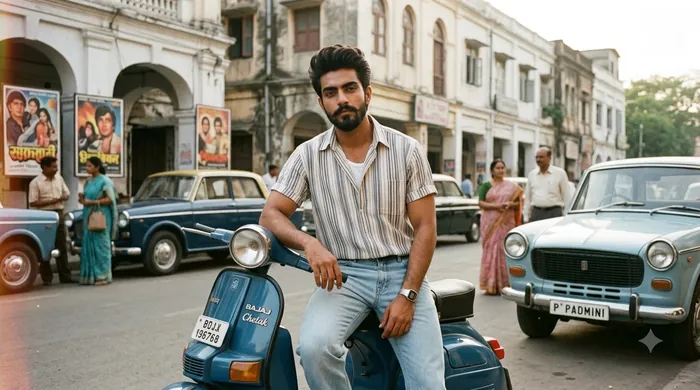
1980s Scooter Scene
Use the UPLOADED REFERENCE IMAGE as the absolute primary visual reference for the person/people. Recreate the same individual(s) in an authentic 1980s setting while preserving identity with maximum fidelity. REFERENCE-IMAGE PRESERVATION: - Preserve the exact facial identity, facial proportions, face shape, eyes, eyebrows, nose, lips, jawline, cheeks, ears, skin tone, natural facial asymmetry and recognizable features from the uploaded image. - Preserve the person's apparent age and natural expression unless the composition naturally requires a different expression. - Preserve the original hairstyle, hairline and hair characteristics as faithfully as possible; only make a subtle period-appropriate adjustment if necessary, without changing identity. - Preserve body proportions, posture, visible anatomy and recognizable physical characteristics from the reference. - Preserve the original clothing whenever practical if it suits the composition; otherwise adapt the clothing to authentic 1980s fashion while keeping the person's identity, body shape and visible features unchanged. - If multiple people appear in the reference, preserve EVERY person's individual identity separately and do not merge, replace, duplicate or swap faces. - Do not beautify, age, de-age, slim, enlarge eyes, reshape the nose, alter the jaw, change skin tone, or introduce generic AI facial features. - Do not invent missing facial or body parts. Keep anatomy consistent with what is actually visible in the reference. - The result must look like the SAME person photographed in the 1980s, not a different person inspired by the reference. SCENE: a classic Indian scooter parked or being ridden through a quiet 1980s neighborhood street 1980s AUTHENTICITY: Build the environment, wardrobe, hairstyles, accessories, vehicles, furniture, signage, technology and small background details from the 1980s. Avoid anything invented after the era: modern smartphones, modern cars, LED panels, contemporary buildings, modern logos, modern fashion, modern screens or current digital devices. Use culturally appropriate Indian/Punjabi details when the scene calls for them. PHOTOGRAPHIC STYLE: Authentic analog 35mm photography, period-appropriate lens rendering, natural optical softness, realistic depth of field, subtle film grain, slight halation around bright highlights, gentle color fading, restrained contrast, realistic skin texture, believable shadows, natural exposure imperfections and fine photographic detail. The image should feel like a genuine photograph taken in the 1980s, not a modern image with a retro filter. COMPOSITION: Choose the framing that best matches the uploaded reference image and the scene. Maintain recognizable proportions and visual prominence of the reference subject. Use natural perspective, realistic scale, coherent lighting and physically believable interaction with the environment. Keep the person's face sharp enough for identity recognition. QUALITY AND REALISM: Ultra-photorealistic, highly detailed, natural skin pores, realistic hair strands, authentic fabric texture, physically accurate lighting, realistic hands and anatomy, coherent reflections and shadows, professional documentary/editorial photography quality. NEGATIVE INSTRUCTIONS: No face replacement, no identity drift, no different person, no facial morphing, no excessive beauty retouching, no plastic skin, no CGI appearance, no cartoon look, no anime, no distorted anatomy, no extra fingers, no duplicated people, no modern objects, no modern clothing unless unavoidable, no futuristic elements, no artificial HDR, no excessive sharpening, no fake film overlay, no watermark, no text unless naturally present in the period environment. FINAL GOAL: The uploaded reference person must remain unmistakably the same person, transported convincingly into the selected 1980s world. Prioritize identity preservation first, historical authenticity second, and cinematic photographic beauty third.
 TRENDING
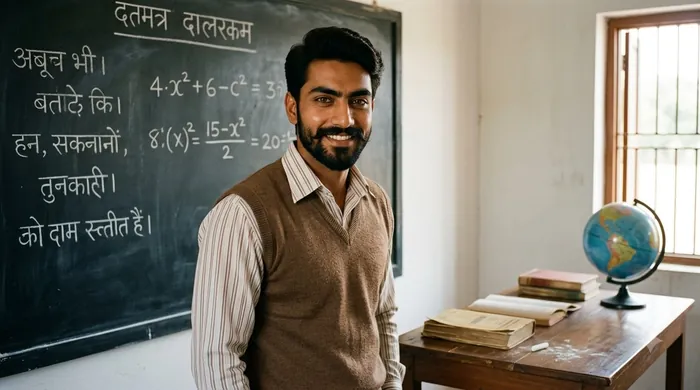
1980s Teacher Portrait
Use the UPLOADED REFERENCE IMAGE as the absolute primary visual reference for the person/people. Recreate the same individual(s) in an authentic 1980s setting while preserving identity with maximum fidelity. REFERENCE-IMAGE PRESERVATION: - Preserve the exact facial identity, facial proportions, face shape, eyes, eyebrows, nose, lips, jawline, cheeks, ears, skin tone, natural facial asymmetry and recognizable features from the uploaded image. - Preserve the person's apparent age and natural expression unless the composition naturally requires a different expression. - Preserve the original hairstyle, hairline and hair characteristics as faithfully as possible; only make a subtle period-appropriate adjustment if necessary, without changing identity. - Preserve body proportions, posture, visible anatomy and recognizable physical characteristics from the reference. - Preserve the original clothing whenever practical if it suits the composition; otherwise adapt the clothing to authentic 1980s fashion while keeping the person's identity, body shape and visible features unchanged. - If multiple people appear in the reference, preserve EVERY person's individual identity separately and do not merge, replace, duplicate or swap faces. - Do not beautify, age, de-age, slim, enlarge eyes, reshape the nose, alter the jaw, change skin tone, or introduce generic AI facial features. - Do not invent missing facial or body parts. Keep anatomy consistent with what is actually visible in the reference. - The result must look like the SAME person photographed in the 1980s, not a different person inspired by the reference. SCENE: a dignified 1980s teacher portrait beside a chalkboard and wooden desk in an Indian school 1980s AUTHENTICITY: Build the environment, wardrobe, hairstyles, accessories, vehicles, furniture, signage, technology and small background details from the 1980s. Avoid anything invented after the era: modern smartphones, modern cars, LED panels, contemporary buildings, modern logos, modern fashion, modern screens or current digital devices. Use culturally appropriate Indian/Punjabi details when the scene calls for them. PHOTOGRAPHIC STYLE: Authentic analog 35mm photography, period-appropriate lens rendering, natural optical softness, realistic depth of field, subtle film grain, slight halation around bright highlights, gentle color fading, restrained contrast, realistic skin texture, believable shadows, natural exposure imperfections and fine photographic detail. The image should feel like a genuine photograph taken in the 1980s, not a modern image with a retro filter. COMPOSITION: Choose the framing that best matches the uploaded reference image and the scene. Maintain recognizable proportions and visual prominence of the reference subject. Use natural perspective, realistic scale, coherent lighting and physically believable interaction with the environment. Keep the person's face sharp enough for identity recognition. QUALITY AND REALISM: Ultra-photorealistic, highly detailed, natural skin pores, realistic hair strands, authentic fabric texture, physically accurate lighting, realistic hands and anatomy, coherent reflections and shadows, professional documentary/editorial photography quality. NEGATIVE INSTRUCTIONS: No face replacement, no identity drift, no different person, no facial morphing, no excessive beauty retouching, no plastic skin, no CGI appearance, no cartoon look, no anime, no distorted anatomy, no extra fingers, no duplicated people, no modern objects, no modern clothing unless unavoidable, no futuristic elements, no artificial HDR, no excessive sharpening, no fake film overlay, no watermark, no text unless naturally present in the period environment. FINAL GOAL: The uploaded reference person must remain unmistakably the same person, transported convincingly into the selected 1980s world. Prioritize identity preservation first, historical authenticity second, and cinematic photographic beauty third.
 HOT
HOT
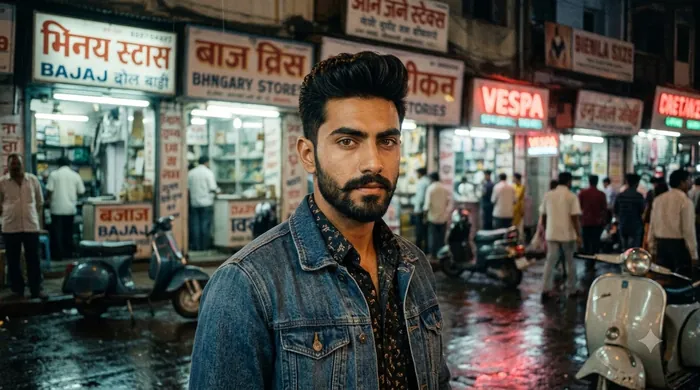
1980s Night Street
Use the UPLOADED REFERENCE IMAGE as the absolute primary visual reference for the person/people. Recreate the same individual(s) in an authentic 1980s setting while preserving identity with maximum fidelity. REFERENCE-IMAGE PRESERVATION: - Preserve the exact facial identity, facial proportions, face shape, eyes, eyebrows, nose, lips, jawline, cheeks, ears, skin tone, natural facial asymmetry and recognizable features from the uploaded image. - Preserve the person's apparent age and natural expression unless the composition naturally requires a different expression. - Preserve the original hairstyle, hairline and hair characteristics as faithfully as possible; only make a subtle period-appropriate adjustment if necessary, without changing identity. - Preserve body proportions, posture, visible anatomy and recognizable physical characteristics from the reference. - Preserve the original clothing whenever practical if it suits the composition; otherwise adapt the clothing to authentic 1980s fashion while keeping the person's identity, body shape and visible features unchanged. - If multiple people appear in the reference, preserve EVERY person's individual identity separately and do not merge, replace, duplicate or swap faces. - Do not beautify, age, de-age, slim, enlarge eyes, reshape the nose, alter the jaw, change skin tone, or introduce generic AI facial features. - Do not invent missing facial or body parts. Keep anatomy consistent with what is actually visible in the reference. - The result must look like the SAME person photographed in the 1980s, not a different person inspired by the reference. SCENE: a cinematic Indian city street at night in the 1980s with illuminated shop signs, scooters and wet pavement 1980s AUTHENTICITY: Build the environment, wardrobe, hairstyles, accessories, vehicles, furniture, signage, technology and small background details from the 1980s. Avoid anything invented after the era: modern smartphones, modern cars, LED panels, contemporary buildings, modern logos, modern fashion, modern screens or current digital devices. Use culturally appropriate Indian/Punjabi details when the scene calls for them. PHOTOGRAPHIC STYLE: Authentic analog 35mm photography, period-appropriate lens rendering, natural optical softness, realistic depth of field, subtle film grain, slight halation around bright highlights, gentle color fading, restrained contrast, realistic skin texture, believable shadows, natural exposure imperfections and fine photographic detail. The image should feel like a genuine photograph taken in the 1980s, not a modern image with a retro filter. COMPOSITION: Choose the framing that best matches the uploaded reference image and the scene. Maintain recognizable proportions and visual prominence of the reference subject. Use natural perspective, realistic scale, coherent lighting and physically believable interaction with the environment. Keep the person's face sharp enough for identity recognition. QUALITY AND REALISM: Ultra-photorealistic, highly detailed, natural skin pores, realistic hair strands, authentic fabric texture, physically accurate lighting, realistic hands and anatomy, coherent reflections and shadows, professional documentary/editorial photography quality. NEGATIVE INSTRUCTIONS: No face replacement, no identity drift, no different person, no facial morphing, no excessive beauty retouching, no plastic skin, no CGI appearance, no cartoon look, no anime, no distorted anatomy, no extra fingers, no duplicated people, no modern objects, no modern clothing unless unavoidable, no futuristic elements, no artificial HDR, no excessive sharpening, no fake film overlay, no watermark, no text unless naturally present in the period environment. FINAL GOAL: The uploaded reference person must remain unmistakably the same person, transported convincingly into the selected 1980s world. Prioritize identity preservation first, historical authenticity second, and cinematic photographic beauty third.
 HOT
HOT
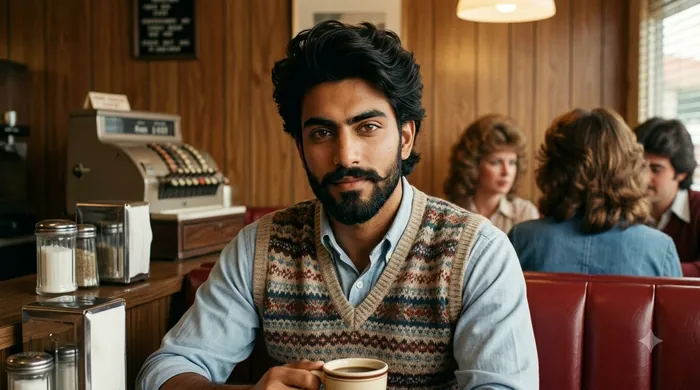
1980s Café
Use the UPLOADED REFERENCE IMAGE as the absolute primary visual reference for the person/people. Recreate the same individual(s) in an authentic 1980s setting while preserving identity with maximum fidelity. REFERENCE-IMAGE PRESERVATION: - Preserve the exact facial identity, facial proportions, face shape, eyes, eyebrows, nose, lips, jawline, cheeks, ears, skin tone, natural facial asymmetry and recognizable features from the uploaded image. - Preserve the person's apparent age and natural expression unless the composition naturally requires a different expression. - Preserve the original hairstyle, hairline and hair characteristics as faithfully as possible; only make a subtle period-appropriate adjustment if necessary, without changing identity. - Preserve body proportions, posture, visible anatomy and recognizable physical characteristics from the reference. - Preserve the original clothing whenever practical if it suits the composition; otherwise adapt the clothing to authentic 1980s fashion while keeping the person's identity, body shape and visible features unchanged. - If multiple people appear in the reference, preserve EVERY person's individual identity separately and do not merge, replace, duplicate or swap faces. - Do not beautify, age, de-age, slim, enlarge eyes, reshape the nose, alter the jaw, change skin tone, or introduce generic AI facial features. - Do not invent missing facial or body parts. Keep anatomy consistent with what is actually visible in the reference. - The result must look like the SAME person photographed in the 1980s, not a different person inspired by the reference. SCENE: a cozy 1980s café with retro furniture, patterned walls, glassware and warm tungsten lighting 1980s AUTHENTICITY: Build the environment, wardrobe, hairstyles, accessories, vehicles, furniture, signage, technology and small background details from the 1980s. Avoid anything invented after the era: modern smartphones, modern cars, LED panels, contemporary buildings, modern logos, modern fashion, modern screens or current digital devices. Use culturally appropriate Indian/Punjabi details when the scene calls for them. PHOTOGRAPHIC STYLE: Authentic analog 35mm photography, period-appropriate lens rendering, natural optical softness, realistic depth of field, subtle film grain, slight halation around bright highlights, gentle color fading, restrained contrast, realistic skin texture, believable shadows, natural exposure imperfections and fine photographic detail. The image should feel like a genuine photograph taken in the 1980s, not a modern image with a retro filter. COMPOSITION: Choose the framing that best matches the uploaded reference image and the scene. Maintain recognizable proportions and visual prominence of the reference subject. Use natural perspective, realistic scale, coherent lighting and physically believable interaction with the environment. Keep the person's face sharp enough for identity recognition. QUALITY AND REALISM: Ultra-photorealistic, highly detailed, natural skin pores, realistic hair strands, authentic fabric texture, physically accurate lighting, realistic hands and anatomy, coherent reflections and shadows, professional documentary/editorial photography quality. NEGATIVE INSTRUCTIONS: No face replacement, no identity drift, no different person, no facial morphing, no excessive beauty retouching, no plastic skin, no CGI appearance, no cartoon look, no anime, no distorted anatomy, no extra fingers, no duplicated people, no modern objects, no modern clothing unless unavoidable, no futuristic elements, no artificial HDR, no excessive sharpening, no fake film overlay, no watermark, no text unless naturally present in the period environment. FINAL GOAL: The uploaded reference person must remain unmistakably the same person, transported convincingly into the selected 1980s world. Prioritize identity preservation first, historical authenticity second, and cinematic photographic beauty third.
 TOP
TOP
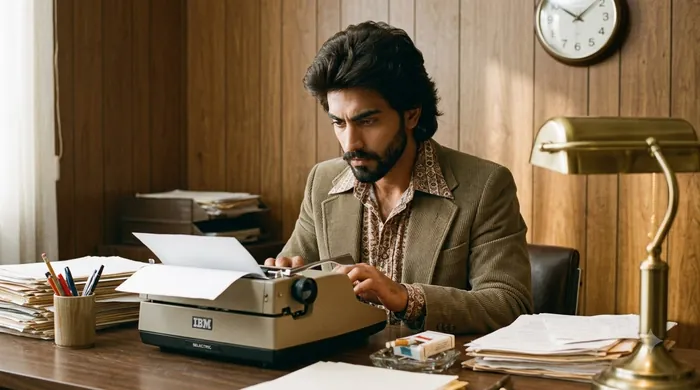
1980s Typewriter
Use the UPLOADED REFERENCE IMAGE as the absolute primary visual reference for the person/people. Recreate the same individual(s) in an authentic 1980s setting while preserving identity with maximum fidelity. REFERENCE-IMAGE PRESERVATION: - Preserve the exact facial identity, facial proportions, face shape, eyes, eyebrows, nose, lips, jawline, cheeks, ears, skin tone, natural facial asymmetry and recognizable features from the uploaded image. - Preserve the person's apparent age and natural expression unless the composition naturally requires a different expression. - Preserve the original hairstyle, hairline and hair characteristics as faithfully as possible; only make a subtle period-appropriate adjustment if necessary, without changing identity. - Preserve body proportions, posture, visible anatomy and recognizable physical characteristics from the reference. - Preserve the original clothing whenever practical if it suits the composition; otherwise adapt the clothing to authentic 1980s fashion while keeping the person's identity, body shape and visible features unchanged. - If multiple people appear in the reference, preserve EVERY person's individual identity separately and do not merge, replace, duplicate or swap faces. - Do not beautify, age, de-age, slim, enlarge eyes, reshape the nose, alter the jaw, change skin tone, or introduce generic AI facial features. - Do not invent missing facial or body parts. Keep anatomy consistent with what is actually visible in the reference. - The result must look like the SAME person photographed in the 1980s, not a different person inspired by the reference. SCENE: a period writer's desk with a mechanical typewriter, papers, desk lamp and authentic 1980s room details 1980s AUTHENTICITY: Build the environment, wardrobe, hairstyles, accessories, vehicles, furniture, signage, technology and small background details from the 1980s. Avoid anything invented after the era: modern smartphones, modern cars, LED panels, contemporary buildings, modern logos, modern fashion, modern screens or current digital devices. Use culturally appropriate Indian/Punjabi details when the scene calls for them. PHOTOGRAPHIC STYLE: Authentic analog 35mm photography, period-appropriate lens rendering, natural optical softness, realistic depth of field, subtle film grain, slight halation around bright highlights, gentle color fading, restrained contrast, realistic skin texture, believable shadows, natural exposure imperfections and fine photographic detail. The image should feel like a genuine photograph taken in the 1980s, not a modern image with a retro filter. COMPOSITION: Choose the framing that best matches the uploaded reference image and the scene. Maintain recognizable proportions and visual prominence of the reference subject. Use natural perspective, realistic scale, coherent lighting and physically believable interaction with the environment. Keep the person's face sharp enough for identity recognition. QUALITY AND REALISM: Ultra-photorealistic, highly detailed, natural skin pores, realistic hair strands, authentic fabric texture, physically accurate lighting, realistic hands and anatomy, coherent reflections and shadows, professional documentary/editorial photography quality. NEGATIVE INSTRUCTIONS: No face replacement, no identity drift, no different person, no facial morphing, no excessive beauty retouching, no plastic skin, no CGI appearance, no cartoon look, no anime, no distorted anatomy, no extra fingers, no duplicated people, no modern objects, no modern clothing unless unavoidable, no futuristic elements, no artificial HDR, no excessive sharpening, no fake film overlay, no watermark, no text unless naturally present in the period environment. FINAL GOAL: The uploaded reference person must remain unmistakably the same person, transported convincingly into the selected 1980s world. Prioritize identity preservation first, historical authenticity second, and cinematic photographic beauty third.
 TRENDING
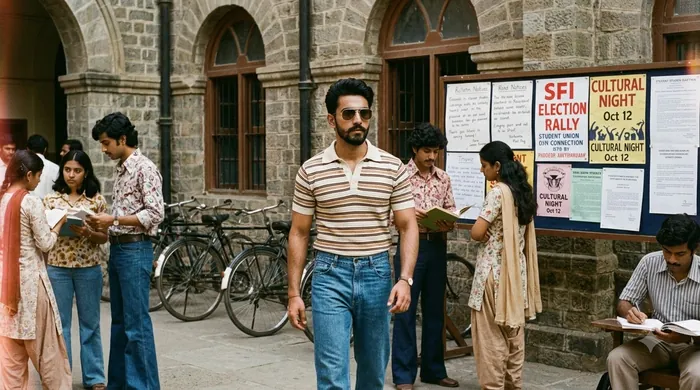
1980s College Campus
Use the UPLOADED REFERENCE IMAGE as the absolute primary visual reference for the person/people. Recreate the same individual(s) in an authentic 1980s setting while preserving identity with maximum fidelity. REFERENCE-IMAGE PRESERVATION: - Preserve the exact facial identity, facial proportions, face shape, eyes, eyebrows, nose, lips, jawline, cheeks, ears, skin tone, natural facial asymmetry and recognizable features from the uploaded image. - Preserve the person's apparent age and natural expression unless the composition naturally requires a different expression. - Preserve the original hairstyle, hairline and hair characteristics as faithfully as possible; only make a subtle period-appropriate adjustment if necessary, without changing identity. - Preserve body proportions, posture, visible anatomy and recognizable physical characteristics from the reference. - Preserve the original clothing whenever practical if it suits the composition; otherwise adapt the clothing to authentic 1980s fashion while keeping the person's identity, body shape and visible features unchanged. - If multiple people appear in the reference, preserve EVERY person's individual identity separately and do not merge, replace, duplicate or swap faces. - Do not beautify, age, de-age, slim, enlarge eyes, reshape the nose, alter the jaw, change skin tone, or introduce generic AI facial features. - Do not invent missing facial or body parts. Keep anatomy consistent with what is actually visible in the reference. - The result must look like the SAME person photographed in the 1980s, not a different person inspired by the reference. SCENE: an Indian college campus in the 1980s with bicycles, old architecture, notice boards and students in authentic period clothing 1980s AUTHENTICITY: Build the environment, wardrobe, hairstyles, accessories, vehicles, furniture, signage, technology and small background details from the 1980s. Avoid anything invented after the era: modern smartphones, modern cars, LED panels, contemporary buildings, modern logos, modern fashion, modern screens or current digital devices. Use culturally appropriate Indian/Punjabi details when the scene calls for them. PHOTOGRAPHIC STYLE: Authentic analog 35mm photography, period-appropriate lens rendering, natural optical softness, realistic depth of field, subtle film grain, slight halation around bright highlights, gentle color fading, restrained contrast, realistic skin texture, believable shadows, natural exposure imperfections and fine photographic detail. The image should feel like a genuine photograph taken in the 1980s, not a modern image with a retro filter. COMPOSITION: Choose the framing that best matches the uploaded reference image and the scene. Maintain recognizable proportions and visual prominence of the reference subject. Use natural perspective, realistic scale, coherent lighting and physically believable interaction with the environment. Keep the person's face sharp enough for identity recognition. QUALITY AND REALISM: Ultra-photorealistic, highly detailed, natural skin pores, realistic hair strands, authentic fabric texture, physically accurate lighting, realistic hands and anatomy, coherent reflections and shadows, professional documentary/editorial photography quality. NEGATIVE INSTRUCTIONS: No face replacement, no identity drift, no different person, no facial morphing, no excessive beauty retouching, no plastic skin, no CGI appearance, no cartoon look, no anime, no distorted anatomy, no extra fingers, no duplicated people, no modern objects, no modern clothing unless unavoidable, no futuristic elements, no artificial HDR, no excessive sharpening, no fake film overlay, no watermark, no text unless naturally present in the period environment. FINAL GOAL: The uploaded reference person must remain unmistakably the same person, transported convincingly into the selected 1980s world. Prioritize identity preservation first, historical authenticity second, and cinematic photographic beauty third.
 HOT
HOT
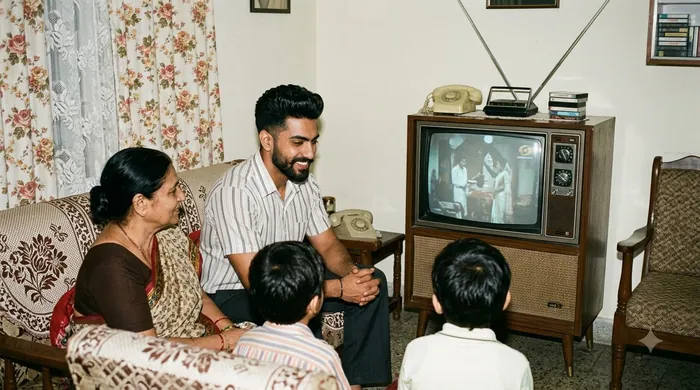
1980s Television
Use the UPLOADED REFERENCE IMAGE as the absolute primary visual reference for the person/people. Recreate the same individual(s) in an authentic 1980s setting while preserving identity with maximum fidelity. REFERENCE-IMAGE PRESERVATION: - Preserve the exact facial identity, facial proportions, face shape, eyes, eyebrows, nose, lips, jawline, cheeks, ears, skin tone, natural facial asymmetry and recognizable features from the uploaded image. - Preserve the person's apparent age and natural expression unless the composition naturally requires a different expression. - Preserve the original hairstyle, hairline and hair characteristics as faithfully as possible; only make a subtle period-appropriate adjustment if necessary, without changing identity. - Preserve body proportions, posture, visible anatomy and recognizable physical characteristics from the reference. - Preserve the original clothing whenever practical if it suits the composition; otherwise adapt the clothing to authentic 1980s fashion while keeping the person's identity, body shape and visible features unchanged. - If multiple people appear in the reference, preserve EVERY person's individual identity separately and do not merge, replace, duplicate or swap faces. - Do not beautify, age, de-age, slim, enlarge eyes, reshape the nose, alter the jaw, change skin tone, or introduce generic AI facial features. - Do not invent missing facial or body parts. Keep anatomy consistent with what is actually visible in the reference. - The result must look like the SAME person photographed in the 1980s, not a different person inspired by the reference. SCENE: a family gathered around a wooden-cabinet CRT television in an authentic 1980s Indian living room 1980s AUTHENTICITY: Build the environment, wardrobe, hairstyles, accessories, vehicles, furniture, signage, technology and small background details from the 1980s. Avoid anything invented after the era: modern smartphones, modern cars, LED panels, contemporary buildings, modern logos, modern fashion, modern screens or current digital devices. Use culturally appropriate Indian/Punjabi details when the scene calls for them. PHOTOGRAPHIC STYLE: Authentic analog 35mm photography, period-appropriate lens rendering, natural optical softness, realistic depth of field, subtle film grain, slight halation around bright highlights, gentle color fading, restrained contrast, realistic skin texture, believable shadows, natural exposure imperfections and fine photographic detail. The image should feel like a genuine photograph taken in the 1980s, not a modern image with a retro filter. COMPOSITION: Choose the framing that best matches the uploaded reference image and the scene. Maintain recognizable proportions and visual prominence of the reference subject. Use natural perspective, realistic scale, coherent lighting and physically believable interaction with the environment. Keep the person's face sharp enough for identity recognition. QUALITY AND REALISM: Ultra-photorealistic, highly detailed, natural skin pores, realistic hair strands, authentic fabric texture, physically accurate lighting, realistic hands and anatomy, coherent reflections and shadows, professional documentary/editorial photography quality. NEGATIVE INSTRUCTIONS: No face replacement, no identity drift, no different person, no facial morphing, no excessive beauty retouching, no plastic skin, no CGI appearance, no cartoon look, no anime, no distorted anatomy, no extra fingers, no duplicated people, no modern objects, no modern clothing unless unavoidable, no futuristic elements, no artificial HDR, no excessive sharpening, no fake film overlay, no watermark, no text unless naturally present in the period environment. FINAL GOAL: The uploaded reference person must remain unmistakably the same person, transported convincingly into the selected 1980s world. Prioritize identity preservation first, historical authenticity second, and cinematic photographic beauty third.
 TOP
TOP
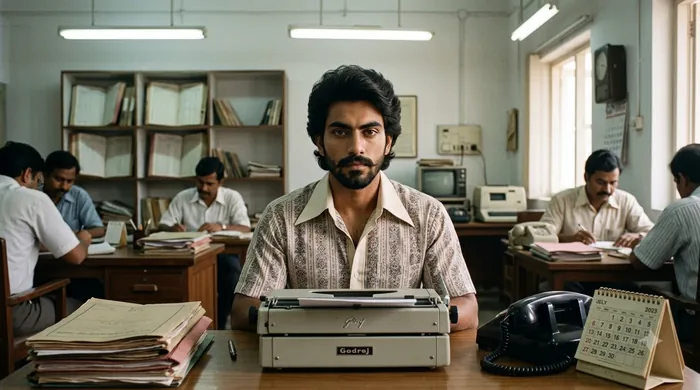
1980s Office
Use the UPLOADED REFERENCE IMAGE as the absolute primary visual reference for the person/people. Recreate the same individual(s) in an authentic 1980s setting while preserving identity with maximum fidelity. REFERENCE-IMAGE PRESERVATION: - Preserve the exact facial identity, facial proportions, face shape, eyes, eyebrows, nose, lips, jawline, cheeks, ears, skin tone, natural facial asymmetry and recognizable features from the uploaded image. - Preserve the person's apparent age and natural expression unless the composition naturally requires a different expression. - Preserve the original hairstyle, hairline and hair characteristics as faithfully as possible; only make a subtle period-appropriate adjustment if necessary, without changing identity. - Preserve body proportions, posture, visible anatomy and recognizable physical characteristics from the reference. - Preserve the original clothing whenever practical if it suits the composition; otherwise adapt the clothing to authentic 1980s fashion while keeping the person's identity, body shape and visible features unchanged. - If multiple people appear in the reference, preserve EVERY person's individual identity separately and do not merge, replace, duplicate or swap faces. - Do not beautify, age, de-age, slim, enlarge eyes, reshape the nose, alter the jaw, change skin tone, or introduce generic AI facial features. - Do not invent missing facial or body parts. Keep anatomy consistent with what is actually visible in the reference. - The result must look like the SAME person photographed in the 1980s, not a different person inspired by the reference. SCENE: an Indian office in the 1980s with wooden desks, paper files, rotary phones, typewriters and fluorescent lighting 1980s AUTHENTICITY: Build the environment, wardrobe, hairstyles, accessories, vehicles, furniture, signage, technology and small background details from the 1980s. Avoid anything invented after the era: modern smartphones, modern cars, LED panels, contemporary buildings, modern logos, modern fashion, modern screens or current digital devices. Use culturally appropriate Indian/Punjabi details when the scene calls for them. PHOTOGRAPHIC STYLE: Authentic analog 35mm photography, period-appropriate lens rendering, natural optical softness, realistic depth of field, subtle film grain, slight halation around bright highlights, gentle color fading, restrained contrast, realistic skin texture, believable shadows, natural exposure imperfections and fine photographic detail. The image should feel like a genuine photograph taken in the 1980s, not a modern image with a retro filter. COMPOSITION: Choose the framing that best matches the uploaded reference image and the scene. Maintain recognizable proportions and visual prominence of the reference subject. Use natural perspective, realistic scale, coherent lighting and physically believable interaction with the environment. Keep the person's face sharp enough for identity recognition. QUALITY AND REALISM: Ultra-photorealistic, highly detailed, natural skin pores, realistic hair strands, authentic fabric texture, physically accurate lighting, realistic hands and anatomy, coherent reflections and shadows, professional documentary/editorial photography quality. NEGATIVE INSTRUCTIONS: No face replacement, no identity drift, no different person, no facial morphing, no excessive beauty retouching, no plastic skin, no CGI appearance, no cartoon look, no anime, no distorted anatomy, no extra fingers, no duplicated people, no modern objects, no modern clothing unless unavoidable, no futuristic elements, no artificial HDR, no excessive sharpening, no fake film overlay, no watermark, no text unless naturally present in the period environment. FINAL GOAL: The uploaded reference person must remain unmistakably the same person, transported convincingly into the selected 1980s world. Prioritize identity preservation first, historical authenticity second, and cinematic photographic beauty third.
 TRENDING
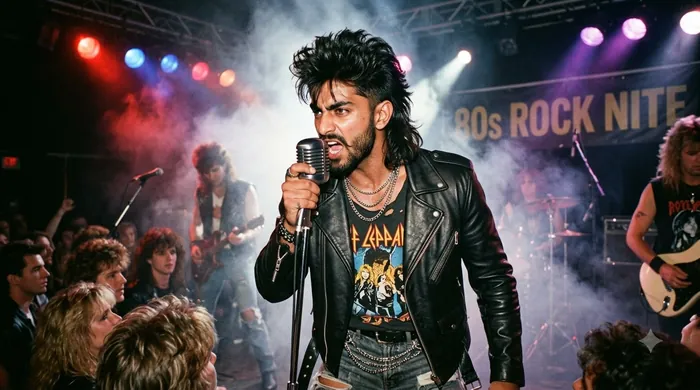
1980s Rock Concert
Use the UPLOADED REFERENCE IMAGE as the absolute primary visual reference for the person/people. Recreate the same individual(s) in an authentic 1980s setting while preserving identity with maximum fidelity. REFERENCE-IMAGE PRESERVATION: - Preserve the exact facial identity, facial proportions, face shape, eyes, eyebrows, nose, lips, jawline, cheeks, ears, skin tone, natural facial asymmetry and recognizable features from the uploaded image. - Preserve the person's apparent age and natural expression unless the composition naturally requires a different expression. - Preserve the original hairstyle, hairline and hair characteristics as faithfully as possible; only make a subtle period-appropriate adjustment if necessary, without changing identity. - Preserve body proportions, posture, visible anatomy and recognizable physical characteristics from the reference. - Preserve the original clothing whenever practical if it suits the composition; otherwise adapt the clothing to authentic 1980s fashion while keeping the person's identity, body shape and visible features unchanged. - If multiple people appear in the reference, preserve EVERY person's individual identity separately and do not merge, replace, duplicate or swap faces. - Do not beautify, age, de-age, slim, enlarge eyes, reshape the nose, alter the jaw, change skin tone, or introduce generic AI facial features. - Do not invent missing facial or body parts. Keep anatomy consistent with what is actually visible in the reference. - The result must look like the SAME person photographed in the 1980s, not a different person inspired by the reference. SCENE: a high-energy 1980s concert with stage lights, microphones, instruments and a period audience 1980s AUTHENTICITY: Build the environment, wardrobe, hairstyles, accessories, vehicles, furniture, signage, technology and small background details from the 1980s. Avoid anything invented after the era: modern smartphones, modern cars, LED panels, contemporary buildings, modern logos, modern fashion, modern screens or current digital devices. Use culturally appropriate Indian/Punjabi details when the scene calls for them. PHOTOGRAPHIC STYLE: Authentic analog 35mm photography, period-appropriate lens rendering, natural optical softness, realistic depth of field, subtle film grain, slight halation around bright highlights, gentle color fading, restrained contrast, realistic skin texture, believable shadows, natural exposure imperfections and fine photographic detail. The image should feel like a genuine photograph taken in the 1980s, not a modern image with a retro filter. COMPOSITION: Choose the framing that best matches the uploaded reference image and the scene. Maintain recognizable proportions and visual prominence of the reference subject. Use natural perspective, realistic scale, coherent lighting and physically believable interaction with the environment. Keep the person's face sharp enough for identity recognition. QUALITY AND REALISM: Ultra-photorealistic, highly detailed, natural skin pores, realistic hair strands, authentic fabric texture, physically accurate lighting, realistic hands and anatomy, coherent reflections and shadows, professional documentary/editorial photography quality. NEGATIVE INSTRUCTIONS: No face replacement, no identity drift, no different person, no facial morphing, no excessive beauty retouching, no plastic skin, no CGI appearance, no cartoon look, no anime, no distorted anatomy, no extra fingers, no duplicated people, no modern objects, no modern clothing unless unavoidable, no futuristic elements, no artificial HDR, no excessive sharpening, no fake film overlay, no watermark, no text unless naturally present in the period environment. FINAL GOAL: The uploaded reference person must remain unmistakably the same person, transported convincingly into the selected 1980s world. Prioritize identity preservation first, historical authenticity second, and cinematic photographic beauty third.
 TRENDING
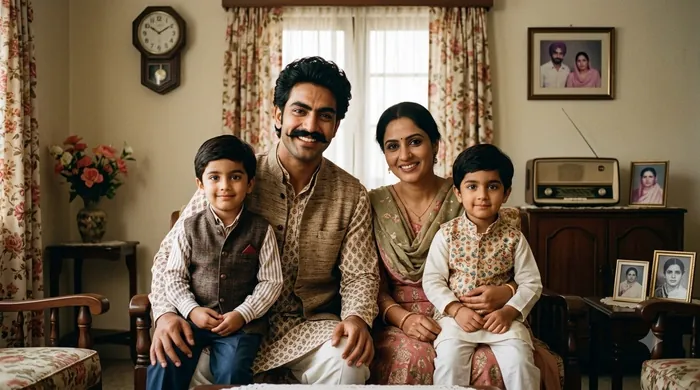
1980s Punjabi Family Portrait
Use the UPLOADED REFERENCE IMAGE as the absolute primary visual reference for the person/people. Recreate the same individual(s) in an authentic 1980s setting while preserving identity with maximum fidelity. REFERENCE-IMAGE PRESERVATION: - Preserve the exact facial identity, facial proportions, face shape, eyes, eyebrows, nose, lips, jawline, cheeks, ears, skin tone, natural facial asymmetry and recognizable features from the uploaded image. - Preserve the person's apparent age and natural expression unless the composition naturally requires a different expression. - Preserve the original hairstyle, hairline and hair characteristics as faithfully as possible; only make a subtle period-appropriate adjustment if necessary, without changing identity. - Preserve body proportions, posture, visible anatomy and recognizable physical characteristics from the reference. - Preserve the original clothing whenever practical if it suits the composition; otherwise adapt the clothing to authentic 1980s fashion while keeping the person's identity, body shape and visible features unchanged. - If multiple people appear in the reference, preserve EVERY person's individual identity separately and do not merge, replace, duplicate or swap faces. - Do not beautify, age, de-age, slim, enlarge eyes, reshape the nose, alter the jaw, change skin tone, or introduce generic AI facial features. - Do not invent missing facial or body parts. Keep anatomy consistent with what is actually visible in the reference. - The result must look like the SAME person photographed in the 1980s, not a different person inspired by the reference. SCENE: a warm Punjabi family living room with period furniture, curtains, wall clock and authentic 1980s Indian home decor 1980s AUTHENTICITY: Build the environment, wardrobe, hairstyles, accessories, vehicles, furniture, signage, technology and small background details from the 1980s. Avoid anything invented after the era: modern smartphones, modern cars, LED panels, contemporary buildings, modern logos, modern fashion, modern screens or current digital devices. Use culturally appropriate Indian/Punjabi details when the scene calls for them. PHOTOGRAPHIC STYLE: Authentic analog 35mm photography, period-appropriate lens rendering, natural optical softness, realistic depth of field, subtle film grain, slight halation around bright highlights, gentle color fading, restrained contrast, realistic skin texture, believable shadows, natural exposure imperfections and fine photographic detail. The image should feel like a genuine photograph taken in the 1980s, not a modern image with a retro filter. COMPOSITION: Choose the framing that best matches the uploaded reference image and the scene. Maintain recognizable proportions and visual prominence of the reference subject. Use natural perspective, realistic scale, coherent lighting and physically believable interaction with the environment. Keep the person's face sharp enough for identity recognition. QUALITY AND REALISM: Ultra-photorealistic, highly detailed, natural skin pores, realistic hair strands, authentic fabric texture, physically accurate lighting, realistic hands and anatomy, coherent reflections and shadows, professional documentary/editorial photography quality. NEGATIVE INSTRUCTIONS: No face replacement, no identity drift, no different person, no facial morphing, no excessive beauty retouching, no plastic skin, no CGI appearance, no cartoon look, no anime, no distorted anatomy, no extra fingers, no duplicated people, no modern objects, no modern clothing unless unavoidable, no futuristic elements, no artificial HDR, no excessive sharpening, no fake film overlay, no watermark, no text unless naturally present in the period environment. FINAL GOAL: The uploaded reference person must remain unmistakably the same person, transported convincingly into the selected 1980s world. Prioritize identity preservation first, historical authenticity second, and cinematic photographic beauty third.
 TRENDING
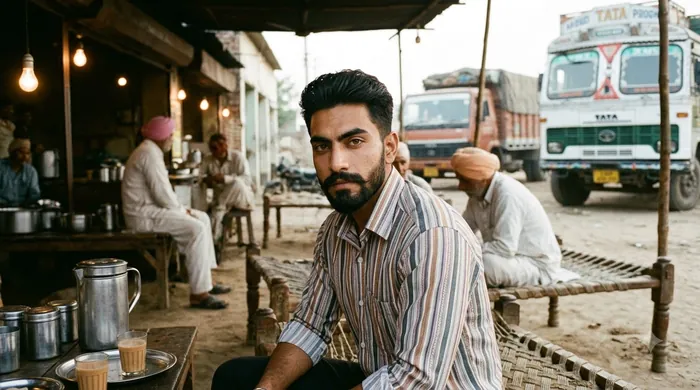
1980s Dhaba
Use the UPLOADED REFERENCE IMAGE as the absolute primary visual reference for the person/people. Recreate the same individual(s) in an authentic 1980s setting while preserving identity with maximum fidelity. REFERENCE-IMAGE PRESERVATION: - Preserve the exact facial identity, facial proportions, face shape, eyes, eyebrows, nose, lips, jawline, cheeks, ears, skin tone, natural facial asymmetry and recognizable features from the uploaded image. - Preserve the person's apparent age and natural expression unless the composition naturally requires a different expression. - Preserve the original hairstyle, hairline and hair characteristics as faithfully as possible; only make a subtle period-appropriate adjustment if necessary, without changing identity. - Preserve body proportions, posture, visible anatomy and recognizable physical characteristics from the reference. - Preserve the original clothing whenever practical if it suits the composition; otherwise adapt the clothing to authentic 1980s fashion while keeping the person's identity, body shape and visible features unchanged. - If multiple people appear in the reference, preserve EVERY person's individual identity separately and do not merge, replace, duplicate or swap faces. - Do not beautify, age, de-age, slim, enlarge eyes, reshape the nose, alter the jaw, change skin tone, or introduce generic AI facial features. - Do not invent missing facial or body parts. Keep anatomy consistent with what is actually visible in the reference. - The result must look like the SAME person photographed in the 1980s, not a different person inspired by the reference. SCENE: a rustic Punjabi roadside dhaba in the 1980s with charpais, steel utensils, trucks and warm hanging bulbs 1980s AUTHENTICITY: Build the environment, wardrobe, hairstyles, accessories, vehicles, furniture, signage, technology and small background details from the 1980s. Avoid anything invented after the era: modern smartphones, modern cars, LED panels, contemporary buildings, modern logos, modern fashion, modern screens or current digital devices. Use culturally appropriate Indian/Punjabi details when the scene calls for them. PHOTOGRAPHIC STYLE: Authentic analog 35mm photography, period-appropriate lens rendering, natural optical softness, realistic depth of field, subtle film grain, slight halation around bright highlights, gentle color fading, restrained contrast, realistic skin texture, believable shadows, natural exposure imperfections and fine photographic detail. The image should feel like a genuine photograph taken in the 1980s, not a modern image with a retro filter. COMPOSITION: Choose the framing that best matches the uploaded reference image and the scene. Maintain recognizable proportions and visual prominence of the reference subject. Use natural perspective, realistic scale, coherent lighting and physically believable interaction with the environment. Keep the person's face sharp enough for identity recognition. QUALITY AND REALISM: Ultra-photorealistic, highly detailed, natural skin pores, realistic hair strands, authentic fabric texture, physically accurate lighting, realistic hands and anatomy, coherent reflections and shadows, professional documentary/editorial photography quality. NEGATIVE INSTRUCTIONS: No face replacement, no identity drift, no different person, no facial morphing, no excessive beauty retouching, no plastic skin, no CGI appearance, no cartoon look, no anime, no distorted anatomy, no extra fingers, no duplicated people, no modern objects, no modern clothing unless unavoidable, no futuristic elements, no artificial HDR, no excessive sharpening, no fake film overlay, no watermark, no text unless naturally present in the period environment. FINAL GOAL: The uploaded reference person must remain unmistakably the same person, transported convincingly into the selected 1980s world. Prioritize identity preservation first, historical authenticity second, and cinematic photographic beauty third.
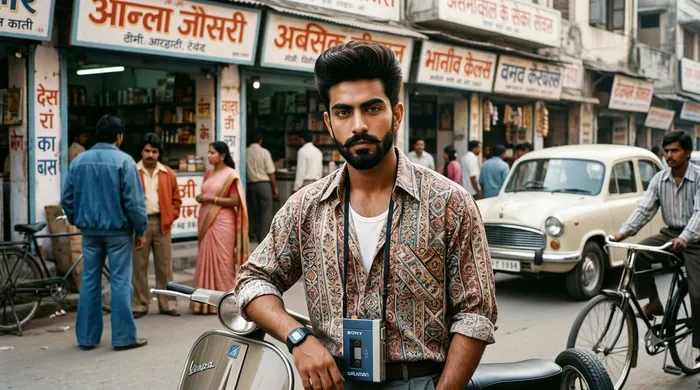 HOT
HOT
1980s Street Fashion
Use the UPLOADED REFERENCE IMAGE as the absolute primary visual reference for the person/people. Recreate the same individual(s) in an authentic 1980s setting while preserving identity with maximum fidelity. REFERENCE-IMAGE PRESERVATION: - Preserve the exact facial identity, facial proportions, face shape, eyes, eyebrows, nose, lips, jawline, cheeks, ears, skin tone, natural facial asymmetry and recognizable features from the uploaded image. - Preserve the person's apparent age and natural expression unless the composition naturally requires a different expression. - Preserve the original hairstyle, hairline and hair characteristics as faithfully as possible; only make a subtle period-appropriate adjustment if necessary, without changing identity. - Preserve body proportions, posture, visible anatomy and recognizable physical characteristics from the reference. - Preserve the original clothing whenever practical if it suits the composition; otherwise adapt the clothing to authentic 1980s fashion while keeping the person's identity, body shape and visible features unchanged. - If multiple people appear in the reference, preserve EVERY person's individual identity separately and do not merge, replace, duplicate or swap faces. - Do not beautify, age, de-age, slim, enlarge eyes, reshape the nose, alter the jaw, change skin tone, or introduce generic AI facial features. - Do not invent missing facial or body parts. Keep anatomy consistent with what is actually visible in the reference. - The result must look like the SAME person photographed in the 1980s, not a different person inspired by the reference. SCENE: a fashionable 1980s Indian city street with period storefronts, scooters, bicycles and era-authentic fashion 1980s AUTHENTICITY: Build the environment, wardrobe, hairstyles, accessories, vehicles, furniture, signage, technology and small background details from the 1980s. Avoid anything invented after the era: modern smartphones, modern cars, LED panels, contemporary buildings, modern logos, modern fashion, modern screens or current digital devices. Use culturally appropriate Indian/Punjabi details when the scene calls for them. PHOTOGRAPHIC STYLE: Authentic analog 35mm photography, period-appropriate lens rendering, natural optical softness, realistic depth of field, subtle film grain, slight halation around bright highlights, gentle color fading, restrained contrast, realistic skin texture, believable shadows, natural exposure imperfections and fine photographic detail. The image should feel like a genuine photograph taken in the 1980s, not a modern image with a retro filter. COMPOSITION: Choose the framing that best matches the uploaded reference image and the scene. Maintain recognizable proportions and visual prominence of the reference subject. Use natural perspective, realistic scale, coherent lighting and physically believable interaction with the environment. Keep the person's face sharp enough for identity recognition. QUALITY AND REALISM: Ultra-photorealistic, highly detailed, natural skin pores, realistic hair strands, authentic fabric texture, physically accurate lighting, realistic hands and anatomy, coherent reflections and shadows, professional documentary/editorial photography quality. NEGATIVE INSTRUCTIONS: No face replacement, no identity drift, no different person, no facial morphing, no excessive beauty retouching, no plastic skin, no CGI appearance, no cartoon look, no anime, no distorted anatomy, no extra fingers, no duplicated people, no modern objects, no modern clothing unless unavoidable, no futuristic elements, no artificial HDR, no excessive sharpening, no fake film overlay, no watermark, no text unless naturally present in the period environment. FINAL GOAL: The uploaded reference person must remain unmistakably the same person, transported convincingly into the selected 1980s world. Prioritize identity preservation first, historical authenticity second, and cinematic photographic beauty third.
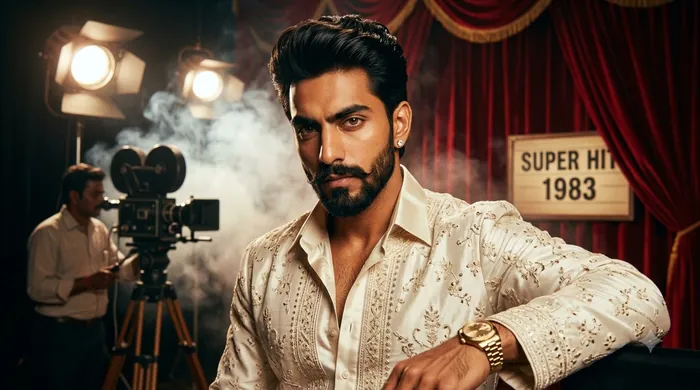 TRENDING
1980s Bollywood Glamour
Use the UPLOADED REFERENCE IMAGE as the absolute primary visual reference for the person/people. Recreate the same individual(s) in an authentic 1980s setting while preserving identity with maximum fidelity. REFERENCE-IMAGE PRESERVATION: - Preserve the exact facial identity, facial proportions, face shape, eyes, eyebrows, nose, lips, jawline, cheeks, ears, skin tone, natural facial asymmetry and recognizable features from the uploaded image. - Preserve the person's apparent age and natural expression unless the composition naturally requires a different expression. - Preserve the original hairstyle, hairline and hair characteristics as faithfully as possible; only make a subtle period-appropriate adjustment if necessary, without changing identity. - Preserve body proportions, posture, visible anatomy and recognizable physical characteristics from the reference. - Preserve the original clothing whenever practical if it suits the composition; otherwise adapt the clothing to authentic 1980s fashion while keeping the person's identity, body shape and visible features unchanged. - If multiple people appear in the reference, preserve EVERY person's individual identity separately and do not merge, replace, duplicate or swap faces. - Do not beautify, age, de-age, slim, enlarge eyes, reshape the nose, alter the jaw, change skin tone, or introduce generic AI facial features. - Do not invent missing facial or body parts. Keep anatomy consistent with what is actually visible in the reference. - The result must look like the SAME person photographed in the 1980s, not a different person inspired by the reference. SCENE: a glamorous 1980s Bollywood-inspired studio set with dramatic theatrical lighting, elegant period styling and cinematic atmosphere 1980s AUTHENTICITY: Build the environment, wardrobe, hairstyles, accessories, vehicles, furniture, signage, technology and small background details from the 1980s. Avoid anything invented after the era: modern smartphones, modern cars, LED panels, contemporary buildings, modern logos, modern fashion, modern screens or current digital devices. Use culturally appropriate Indian/Punjabi details when the scene calls for them. PHOTOGRAPHIC STYLE: Authentic analog 35mm photography, period-appropriate lens rendering, natural optical softness, realistic depth of field, subtle film grain, slight halation around bright highlights, gentle color fading, restrained contrast, realistic skin texture, believable shadows, natural exposure imperfections and fine photographic detail. The image should feel like a genuine photograph taken in the 1980s, not a modern image with a retro filter. COMPOSITION: Choose the framing that best matches the uploaded reference image and the scene. Maintain recognizable proportions and visual prominence of the reference subject. Use natural perspective, realistic scale, coherent lighting and physically believable interaction with the environment. Keep the person's face sharp enough for identity recognition. QUALITY AND REALISM: Ultra-photorealistic, highly detailed, natural skin pores, realistic hair strands, authentic fabric texture, physically accurate lighting, realistic hands and anatomy, coherent reflections and shadows, professional documentary/editorial photography quality. NEGATIVE INSTRUCTIONS: No face replacement, no identity drift, no different person, no facial morphing, no excessive beauty retouching, no plastic skin, no CGI appearance, no cartoon look, no anime, no distorted anatomy, no extra fingers, no duplicated people, no modern objects, no modern clothing unless unavoidable, no futuristic elements, no artificial HDR, no excessive sharpening, no fake film overlay, no watermark, no text unless naturally present in the period environment. FINAL GOAL: The uploaded reference person must remain unmistakably the same person, transported convincingly into the selected 1980s world. Prioritize identity preservation first, historical authenticity second, and cinematic photographic beauty third.
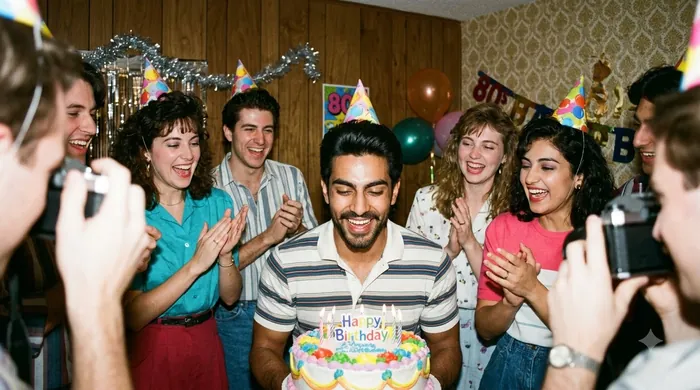 HOT
HOT
1980s Birthday
Use the UPLOADED REFERENCE IMAGE as the absolute primary visual reference for the person/people. Recreate the same individual(s) in an authentic 1980s setting while preserving identity with maximum fidelity. REFERENCE-IMAGE PRESERVATION: - Preserve the exact facial identity, facial proportions, face shape, eyes, eyebrows, nose, lips, jawline, cheeks, ears, skin tone, natural facial asymmetry and recognizable features from the uploaded image. - Preserve the person's apparent age and natural expression unless the composition naturally requires a different expression. - Preserve the original hairstyle, hairline and hair characteristics as faithfully as possible; only make a subtle period-appropriate adjustment if necessary, without changing identity. - Preserve body proportions, posture, visible anatomy and recognizable physical characteristics from the reference. - Preserve the original clothing whenever practical if it suits the composition; otherwise adapt the clothing to authentic 1980s fashion while keeping the person's identity, body shape and visible features unchanged. - If multiple people appear in the reference, preserve EVERY person's individual identity separately and do not merge, replace, duplicate or swap faces. - Do not beautify, age, de-age, slim, enlarge eyes, reshape the nose, alter the jaw, change skin tone, or introduce generic AI facial features. - Do not invent missing facial or body parts. Keep anatomy consistent with what is actually visible in the reference. - The result must look like the SAME person photographed in the 1980s, not a different person inspired by the reference. SCENE: a simple joyful 1980s home birthday celebration with paper decorations, cake, family members and analog-camera flash 1980s AUTHENTICITY: Build the environment, wardrobe, hairstyles, accessories, vehicles, furniture, signage, technology and small background details from the 1980s. Avoid anything invented after the era: modern smartphones, modern cars, LED panels, contemporary buildings, modern logos, modern fashion, modern screens or current digital devices. Use culturally appropriate Indian/Punjabi details when the scene calls for them. PHOTOGRAPHIC STYLE: Authentic analog 35mm photography, period-appropriate lens rendering, natural optical softness, realistic depth of field, subtle film grain, slight halation around bright highlights, gentle color fading, restrained contrast, realistic skin texture, believable shadows, natural exposure imperfections and fine photographic detail. The image should feel like a genuine photograph taken in the 1980s, not a modern image with a retro filter. COMPOSITION: Choose the framing that best matches the uploaded reference image and the scene. Maintain recognizable proportions and visual prominence of the reference subject. Use natural perspective, realistic scale, coherent lighting and physically believable interaction with the environment. Keep the person's face sharp enough for identity recognition. QUALITY AND REALISM: Ultra-photorealistic, highly detailed, natural skin pores, realistic hair strands, authentic fabric texture, physically accurate lighting, realistic hands and anatomy, coherent reflections and shadows, professional documentary/editorial photography quality. NEGATIVE INSTRUCTIONS: No face replacement, no identity drift, no different person, no facial morphing, no excessive beauty retouching, no plastic skin, no CGI appearance, no cartoon look, no anime, no distorted anatomy, no extra fingers, no duplicated people, no modern objects, no modern clothing unless unavoidable, no futuristic elements, no artificial HDR, no excessive sharpening, no fake film overlay, no watermark, no text unless naturally present in the period environment. FINAL GOAL: The uploaded reference person must remain unmistakably the same person, transported convincingly into the selected 1980s world. Prioritize identity preservation first, historical authenticity second, and cinematic photographic beauty third.
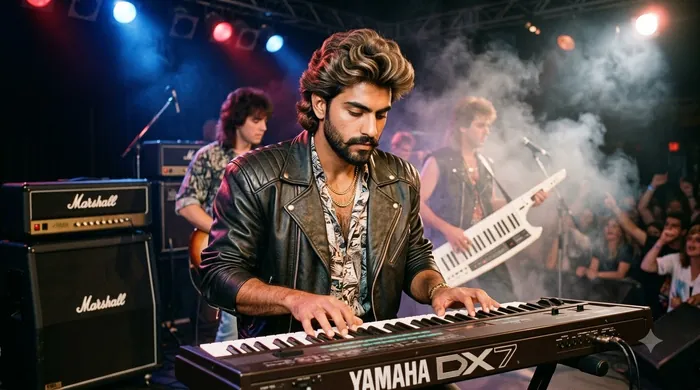 TOP
TOP
1980s Musician
Use the UPLOADED REFERENCE IMAGE as the absolute primary visual reference for the person/people. Recreate the same individual(s) in an authentic 1980s setting while preserving identity with maximum fidelity. REFERENCE-IMAGE PRESERVATION: - Preserve the exact facial identity, facial proportions, face shape, eyes, eyebrows, nose, lips, jawline, cheeks, ears, skin tone, natural facial asymmetry and recognizable features from the uploaded image. - Preserve the person's apparent age and natural expression unless the composition naturally requires a different expression. - Preserve the original hairstyle, hairline and hair characteristics as faithfully as possible; only make a subtle period-appropriate adjustment if necessary, without changing identity. - Preserve body proportions, posture, visible anatomy and recognizable physical characteristics from the reference. - Preserve the original clothing whenever practical if it suits the composition; otherwise adapt the clothing to authentic 1980s fashion while keeping the person's identity, body shape and visible features unchanged. - If multiple people appear in the reference, preserve EVERY person's individual identity separately and do not merge, replace, duplicate or swap faces. - Do not beautify, age, de-age, slim, enlarge eyes, reshape the nose, alter the jaw, change skin tone, or introduce generic AI facial features. - Do not invent missing facial or body parts. Keep anatomy consistent with what is actually visible in the reference. - The result must look like the SAME person photographed in the 1980s, not a different person inspired by the reference. SCENE: a cinematic 1980s musician portrait with period instruments, stage equipment and dramatic concert-style lighting 1980s AUTHENTICITY: Build the environment, wardrobe, hairstyles, accessories, vehicles, furniture, signage, technology and small background details from the 1980s. Avoid anything invented after the era: modern smartphones, modern cars, LED panels, contemporary buildings, modern logos, modern fashion, modern screens or current digital devices. Use culturally appropriate Indian/Punjabi details when the scene calls for them. PHOTOGRAPHIC STYLE: Authentic analog 35mm photography, period-appropriate lens rendering, natural optical softness, realistic depth of field, subtle film grain, slight halation around bright highlights, gentle color fading, restrained contrast, realistic skin texture, believable shadows, natural exposure imperfections and fine photographic detail. The image should feel like a genuine photograph taken in the 1980s, not a modern image with a retro filter. COMPOSITION: Choose the framing that best matches the uploaded reference image and the scene. Maintain recognizable proportions and visual prominence of the reference subject. Use natural perspective, realistic scale, coherent lighting and physically believable interaction with the environment. Keep the person's face sharp enough for identity recognition. QUALITY AND REALISM: Ultra-photorealistic, highly detailed, natural skin pores, realistic hair strands, authentic fabric texture, physically accurate lighting, realistic hands and anatomy, coherent reflections and shadows, professional documentary/editorial photography quality. NEGATIVE INSTRUCTIONS: No face replacement, no identity drift, no different person, no facial morphing, no excessive beauty retouching, no plastic skin, no CGI appearance, no cartoon look, no anime, no distorted anatomy, no extra fingers, no duplicated people, no modern objects, no modern clothing unless unavoidable, no futuristic elements, no artificial HDR, no excessive sharpening, no fake film overlay, no watermark, no text unless naturally present in the period environment. FINAL GOAL: The uploaded reference person must remain unmistakably the same person, transported convincingly into the selected 1980s world. Prioritize identity preservation first, historical authenticity second, and cinematic photographic beauty third.
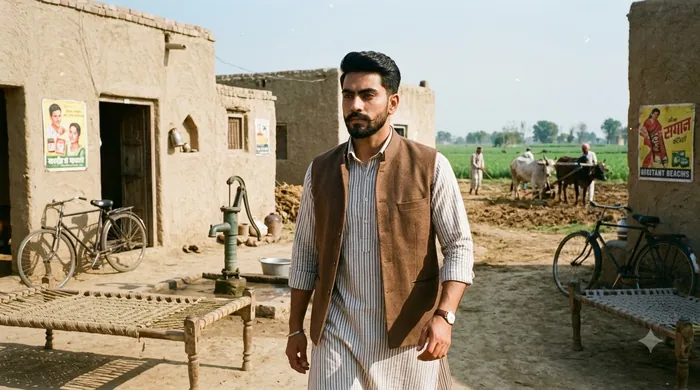 TOP
TOP
1980s Village
Use the UPLOADED REFERENCE IMAGE as the absolute primary visual reference for the person/people. Recreate the same individual(s) in an authentic 1980s setting while preserving identity with maximum fidelity. REFERENCE-IMAGE PRESERVATION: - Preserve the exact facial identity, facial proportions, face shape, eyes, eyebrows, nose, lips, jawline, cheeks, ears, skin tone, natural facial asymmetry and recognizable features from the uploaded image. - Preserve the person's apparent age and natural expression unless the composition naturally requires a different expression. - Preserve the original hairstyle, hairline and hair characteristics as faithfully as possible; only make a subtle period-appropriate adjustment if necessary, without changing identity. - Preserve body proportions, posture, visible anatomy and recognizable physical characteristics from the reference. - Preserve the original clothing whenever practical if it suits the composition; otherwise adapt the clothing to authentic 1980s fashion while keeping the person's identity, body shape and visible features unchanged. - If multiple people appear in the reference, preserve EVERY person's individual identity separately and do not merge, replace, duplicate or swap faces. - Do not beautify, age, de-age, slim, enlarge eyes, reshape the nose, alter the jaw, change skin tone, or introduce generic AI facial features. - Do not invent missing facial or body parts. Keep anatomy consistent with what is actually visible in the reference. - The result must look like the SAME person photographed in the 1980s, not a different person inspired by the reference. SCENE: a rural Punjabi/Indian village in the 1980s with traditional homes, bicycles, farmland and authentic everyday surroundings 1980s AUTHENTICITY: Build the environment, wardrobe, hairstyles, accessories, vehicles, furniture, signage, technology and small background details from the 1980s. Avoid anything invented after the era: modern smartphones, modern cars, LED panels, contemporary buildings, modern logos, modern fashion, modern screens or current digital devices. Use culturally appropriate Indian/Punjabi details when the scene calls for them. PHOTOGRAPHIC STYLE: Authentic analog 35mm photography, period-appropriate lens rendering, natural optical softness, realistic depth of field, subtle film grain, slight halation around bright highlights, gentle color fading, restrained contrast, realistic skin texture, believable shadows, natural exposure imperfections and fine photographic detail. The image should feel like a genuine photograph taken in the 1980s, not a modern image with a retro filter. COMPOSITION: Choose the framing that best matches the uploaded reference image and the scene. Maintain recognizable proportions and visual prominence of the reference subject. Use natural perspective, realistic scale, coherent lighting and physically believable interaction with the environment. Keep the person's face sharp enough for identity recognition. QUALITY AND REALISM: Ultra-photorealistic, highly detailed, natural skin pores, realistic hair strands, authentic fabric texture, physically accurate lighting, realistic hands and anatomy, coherent reflections and shadows, professional documentary/editorial photography quality. NEGATIVE INSTRUCTIONS: No face replacement, no identity drift, no different person, no facial morphing, no excessive beauty retouching, no plastic skin, no CGI appearance, no cartoon look, no anime, no distorted anatomy, no extra fingers, no duplicated people, no modern objects, no modern clothing unless unavoidable, no futuristic elements, no artificial HDR, no excessive sharpening, no fake film overlay, no watermark, no text unless naturally present in the period environment. FINAL GOAL: The uploaded reference person must remain unmistakably the same person, transported convincingly into the selected 1980s world. Prioritize identity preservation first, historical authenticity second, and cinematic photographic beauty third.
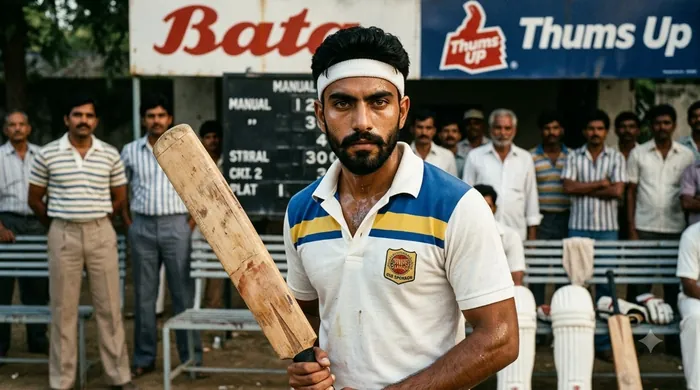 HOT
HOT
1980s Sports
Use the UPLOADED REFERENCE IMAGE as the absolute primary visual reference for the person/people. Recreate the same individual(s) in an authentic 1980s setting while preserving identity with maximum fidelity. REFERENCE-IMAGE PRESERVATION: - Preserve the exact facial identity, facial proportions, face shape, eyes, eyebrows, nose, lips, jawline, cheeks, ears, skin tone, natural facial asymmetry and recognizable features from the uploaded image. - Preserve the person's apparent age and natural expression unless the composition naturally requires a different expression. - Preserve the original hairstyle, hairline and hair characteristics as faithfully as possible; only make a subtle period-appropriate adjustment if necessary, without changing identity. - Preserve body proportions, posture, visible anatomy and recognizable physical characteristics from the reference. - Preserve the original clothing whenever practical if it suits the composition; otherwise adapt the clothing to authentic 1980s fashion while keeping the person's identity, body shape and visible features unchanged. - If multiple people appear in the reference, preserve EVERY person's individual identity separately and do not merge, replace, duplicate or swap faces. - Do not beautify, age, de-age, slim, enlarge eyes, reshape the nose, alter the jaw, change skin tone, or introduce generic AI facial features. - Do not invent missing facial or body parts. Keep anatomy consistent with what is actually visible in the reference. - The result must look like the SAME person photographed in the 1980s, not a different person inspired by the reference. SCENE: a local Indian sports ground in the 1980s with period sportswear, spectators and authentic sporting equipment 1980s AUTHENTICITY: Build the environment, wardrobe, hairstyles, accessories, vehicles, furniture, signage, technology and small background details from the 1980s. Avoid anything invented after the era: modern smartphones, modern cars, LED panels, contemporary buildings, modern logos, modern fashion, modern screens or current digital devices. Use culturally appropriate Indian/Punjabi details when the scene calls for them. PHOTOGRAPHIC STYLE: Authentic analog 35mm photography, period-appropriate lens rendering, natural optical softness, realistic depth of field, subtle film grain, slight halation around bright highlights, gentle color fading, restrained contrast, realistic skin texture, believable shadows, natural exposure imperfections and fine photographic detail. The image should feel like a genuine photograph taken in the 1980s, not a modern image with a retro filter. COMPOSITION: Choose the framing that best matches the uploaded reference image and the scene. Maintain recognizable proportions and visual prominence of the reference subject. Use natural perspective, realistic scale, coherent lighting and physically believable interaction with the environment. Keep the person's face sharp enough for identity recognition. QUALITY AND REALISM: Ultra-photorealistic, highly detailed, natural skin pores, realistic hair strands, authentic fabric texture, physically accurate lighting, realistic hands and anatomy, coherent reflections and shadows, professional documentary/editorial photography quality. NEGATIVE INSTRUCTIONS: No face replacement, no identity drift, no different person, no facial morphing, no excessive beauty retouching, no plastic skin, no CGI appearance, no cartoon look, no anime, no distorted anatomy, no extra fingers, no duplicated people, no modern objects, no modern clothing unless unavoidable, no futuristic elements, no artificial HDR, no excessive sharpening, no fake film overlay, no watermark, no text unless naturally present in the period environment. FINAL GOAL: The uploaded reference person must remain unmistakably the same person, transported convincingly into the selected 1980s world. Prioritize identity preservation first, historical authenticity second, and cinematic photographic beauty third.
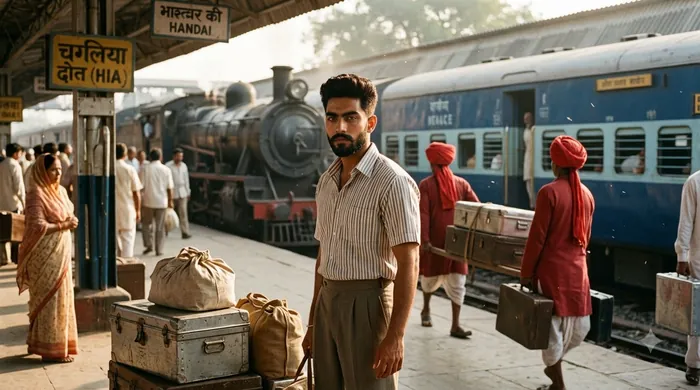 TOP
TOP
1980s Railway Station
Use the UPLOADED REFERENCE IMAGE as the absolute primary visual reference for the person/people. Recreate the same individual(s) in an authentic 1980s setting while preserving identity with maximum fidelity. REFERENCE-IMAGE PRESERVATION: - Preserve the exact facial identity, facial proportions, face shape, eyes, eyebrows, nose, lips, jawline, cheeks, ears, skin tone, natural facial asymmetry and recognizable features from the uploaded image. - Preserve the person's apparent age and natural expression unless the composition naturally requires a different expression. - Preserve the original hairstyle, hairline and hair characteristics as faithfully as possible; only make a subtle period-appropriate adjustment if necessary, without changing identity. - Preserve body proportions, posture, visible anatomy and recognizable physical characteristics from the reference. - Preserve the original clothing whenever practical if it suits the composition; otherwise adapt the clothing to authentic 1980s fashion while keeping the person's identity, body shape and visible features unchanged. - If multiple people appear in the reference, preserve EVERY person's individual identity separately and do not merge, replace, duplicate or swap faces. - Do not beautify, age, de-age, slim, enlarge eyes, reshape the nose, alter the jaw, change skin tone, or introduce generic AI facial features. - Do not invent missing facial or body parts. Keep anatomy consistent with what is actually visible in the reference. - The result must look like the SAME person photographed in the 1980s, not a different person inspired by the reference. SCENE: a busy Indian railway station in the 1980s with period train coaches, luggage, signs, porters and travelers 1980s AUTHENTICITY: Build the environment, wardrobe, hairstyles, accessories, vehicles, furniture, signage, technology and small background details from the 1980s. Avoid anything invented after the era: modern smartphones, modern cars, LED panels, contemporary buildings, modern logos, modern fashion, modern screens or current digital devices. Use culturally appropriate Indian/Punjabi details when the scene calls for them. PHOTOGRAPHIC STYLE: Authentic analog 35mm photography, period-appropriate lens rendering, natural optical softness, realistic depth of field, subtle film grain, slight halation around bright highlights, gentle color fading, restrained contrast, realistic skin texture, believable shadows, natural exposure imperfections and fine photographic detail. The image should feel like a genuine photograph taken in the 1980s, not a modern image with a retro filter. COMPOSITION: Choose the framing that best matches the uploaded reference image and the scene. Maintain recognizable proportions and visual prominence of the reference subject. Use natural perspective, realistic scale, coherent lighting and physically believable interaction with the environment. Keep the person's face sharp enough for identity recognition. QUALITY AND REALISM: Ultra-photorealistic, highly detailed, natural skin pores, realistic hair strands, authentic fabric texture, physically accurate lighting, realistic hands and anatomy, coherent reflections and shadows, professional documentary/editorial photography quality. NEGATIVE INSTRUCTIONS: No face replacement, no identity drift, no different person, no facial morphing, no excessive beauty retouching, no plastic skin, no CGI appearance, no cartoon look, no anime, no distorted anatomy, no extra fingers, no duplicated people, no modern objects, no modern clothing unless unavoidable, no futuristic elements, no artificial HDR, no excessive sharpening, no fake film overlay, no watermark, no text unless naturally present in the period environment. FINAL GOAL: The uploaded reference person must remain unmistakably the same person, transported convincingly into the selected 1980s world. Prioritize identity preservation first, historical authenticity second, and cinematic photographic beauty third.
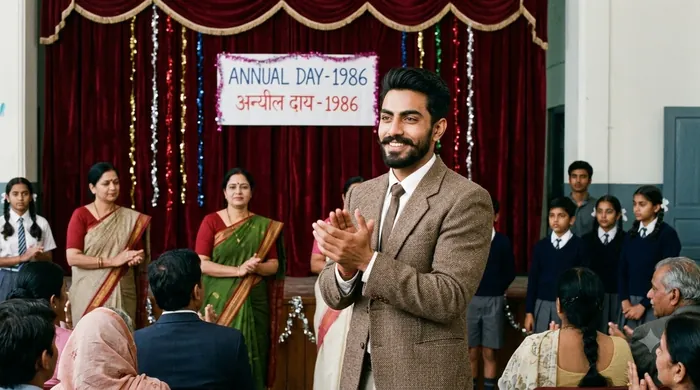 HOT
HOT
1980s School Function
Use the UPLOADED REFERENCE IMAGE as the absolute primary visual reference for the person/people. Recreate the same individual(s) in an authentic 1980s setting while preserving identity with maximum fidelity. REFERENCE-IMAGE PRESERVATION: - Preserve the exact facial identity, facial proportions, face shape, eyes, eyebrows, nose, lips, jawline, cheeks, ears, skin tone, natural facial asymmetry and recognizable features from the uploaded image. - Preserve the person's apparent age and natural expression unless the composition naturally requires a different expression. - Preserve the original hairstyle, hairline and hair characteristics as faithfully as possible; only make a subtle period-appropriate adjustment if necessary, without changing identity. - Preserve body proportions, posture, visible anatomy and recognizable physical characteristics from the reference. - Preserve the original clothing whenever practical if it suits the composition; otherwise adapt the clothing to authentic 1980s fashion while keeping the person's identity, body shape and visible features unchanged. - If multiple people appear in the reference, preserve EVERY person's individual identity separately and do not merge, replace, duplicate or swap faces. - Do not beautify, age, de-age, slim, enlarge eyes, reshape the nose, alter the jaw, change skin tone, or introduce generic AI facial features. - Do not invent missing facial or body parts. Keep anatomy consistent with what is actually visible in the reference. - The result must look like the SAME person photographed in the 1980s, not a different person inspired by the reference. SCENE: an Indian school annual function in the 1980s with stage curtains, decorations, students and teachers 1980s AUTHENTICITY: Build the environment, wardrobe, hairstyles, accessories, vehicles, furniture, signage, technology and small background details from the 1980s. Avoid anything invented after the era: modern smartphones, modern cars, LED panels, contemporary buildings, modern logos, modern fashion, modern screens or current digital devices. Use culturally appropriate Indian/Punjabi details when the scene calls for them. PHOTOGRAPHIC STYLE: Authentic analog 35mm photography, period-appropriate lens rendering, natural optical softness, realistic depth of field, subtle film grain, slight halation around bright highlights, gentle color fading, restrained contrast, realistic skin texture, believable shadows, natural exposure imperfections and fine photographic detail. The image should feel like a genuine photograph taken in the 1980s, not a modern image with a retro filter. COMPOSITION: Choose the framing that best matches the uploaded reference image and the scene. Maintain recognizable proportions and visual prominence of the reference subject. Use natural perspective, realistic scale, coherent lighting and physically believable interaction with the environment. Keep the person's face sharp enough for identity recognition. QUALITY AND REALISM: Ultra-photorealistic, highly detailed, natural skin pores, realistic hair strands, authentic fabric texture, physically accurate lighting, realistic hands and anatomy, coherent reflections and shadows, professional documentary/editorial photography quality. NEGATIVE INSTRUCTIONS: No face replacement, no identity drift, no different person, no facial morphing, no excessive beauty retouching, no plastic skin, no CGI appearance, no cartoon look, no anime, no distorted anatomy, no extra fingers, no duplicated people, no modern objects, no modern clothing unless unavoidable, no futuristic elements, no artificial HDR, no excessive sharpening, no fake film overlay, no watermark, no text unless naturally present in the period environment. FINAL GOAL: The uploaded reference person must remain unmistakably the same person, transported convincingly into the selected 1980s world. Prioritize identity preservation first, historical authenticity second, and cinematic photographic beauty third.
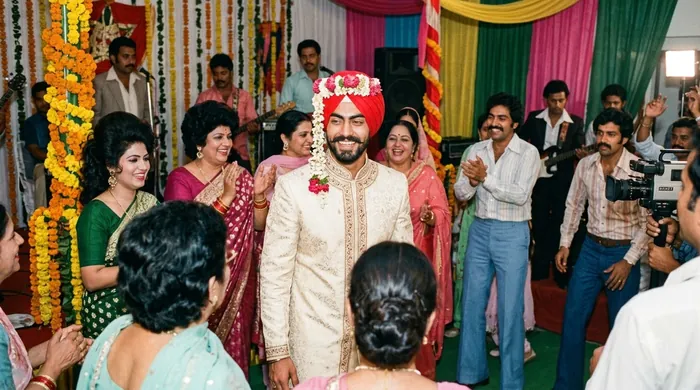 TRENDING
1980s Punjabi Wedding
Use the UPLOADED REFERENCE IMAGE as the absolute primary visual reference for the person/people. Recreate the same individual(s) in an authentic 1980s setting while preserving identity with maximum fidelity. REFERENCE-IMAGE PRESERVATION: - Preserve the exact facial identity, facial proportions, face shape, eyes, eyebrows, nose, lips, jawline, cheeks, ears, skin tone, natural facial asymmetry and recognizable features from the uploaded image. - Preserve the person's apparent age and natural expression unless the composition naturally requires a different expression. - Preserve the original hairstyle, hairline and hair characteristics as faithfully as possible; only make a subtle period-appropriate adjustment if necessary, without changing identity. - Preserve body proportions, posture, visible anatomy and recognizable physical characteristics from the reference. - Preserve the original clothing whenever practical if it suits the composition; otherwise adapt the clothing to authentic 1980s fashion while keeping the person's identity, body shape and visible features unchanged. - If multiple people appear in the reference, preserve EVERY person's individual identity separately and do not merge, replace, duplicate or swap faces. - Do not beautify, age, de-age, slim, enlarge eyes, reshape the nose, alter the jaw, change skin tone, or introduce generic AI facial features. - Do not invent missing facial or body parts. Keep anatomy consistent with what is actually visible in the reference. - The result must look like the SAME person photographed in the 1980s, not a different person inspired by the reference. SCENE: a lively 1980s Punjabi wedding environment with traditional Punjabi decorations, family celebration and authentic period clothing 1980s AUTHENTICITY: Build the environment, wardrobe, hairstyles, accessories, vehicles, furniture, signage, technology and small background details from the 1980s. Avoid anything invented after the era: modern smartphones, modern cars, LED panels, contemporary buildings, modern logos, modern fashion, modern screens or current digital devices. Use culturally appropriate Indian/Punjabi details when the scene calls for them. PHOTOGRAPHIC STYLE: Authentic analog 35mm photography, period-appropriate lens rendering, natural optical softness, realistic depth of field, subtle film grain, slight halation around bright highlights, gentle color fading, restrained contrast, realistic skin texture, believable shadows, natural exposure imperfections and fine photographic detail. The image should feel like a genuine photograph taken in the 1980s, not a modern image with a retro filter. COMPOSITION: Choose the framing that best matches the uploaded reference image and the scene. Maintain recognizable proportions and visual prominence of the reference subject. Use natural perspective, realistic scale, coherent lighting and physically believable interaction with the environment. Keep the person's face sharp enough for identity recognition. QUALITY AND REALISM: Ultra-photorealistic, highly detailed, natural skin pores, realistic hair strands, authentic fabric texture, physically accurate lighting, realistic hands and anatomy, coherent reflections and shadows, professional documentary/editorial photography quality. NEGATIVE INSTRUCTIONS: No face replacement, no identity drift, no different person, no facial morphing, no excessive beauty retouching, no plastic skin, no CGI appearance, no cartoon look, no anime, no distorted anatomy, no extra fingers, no duplicated people, no modern objects, no modern clothing unless unavoidable, no futuristic elements, no artificial HDR, no excessive sharpening, no fake film overlay, no watermark, no text unless naturally present in the period environment. FINAL GOAL: The uploaded reference person must remain unmistakably the same person, transported convincingly into the selected 1980s world. Prioritize identity preservation first, historical authenticity second, and cinematic photographic beauty third.
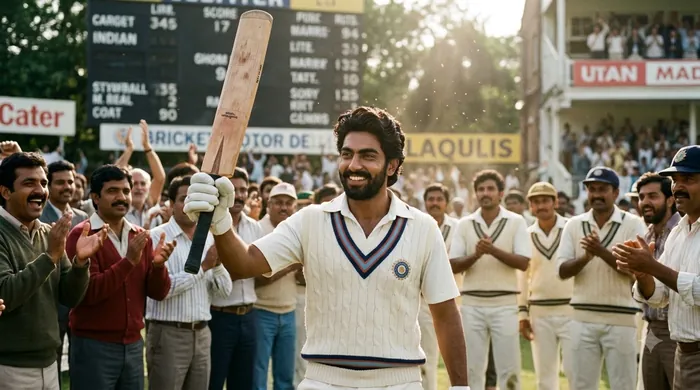 HOT
HOT
1980s Cricket
Use the UPLOADED REFERENCE IMAGE as the absolute primary visual reference for the person/people. Recreate the same individual(s) in an authentic 1980s setting while preserving identity with maximum fidelity. REFERENCE-IMAGE PRESERVATION: - Preserve the exact facial identity, facial proportions, face shape, eyes, eyebrows, nose, lips, jawline, cheeks, ears, skin tone, natural facial asymmetry and recognizable features from the uploaded image. - Preserve the person's apparent age and natural expression unless the composition naturally requires a different expression. - Preserve the original hairstyle, hairline and hair characteristics as faithfully as possible; only make a subtle period-appropriate adjustment if necessary, without changing identity. - Preserve body proportions, posture, visible anatomy and recognizable physical characteristics from the reference. - Preserve the original clothing whenever practical if it suits the composition; otherwise adapt the clothing to authentic 1980s fashion while keeping the person's identity, body shape and visible features unchanged. - If multiple people appear in the reference, preserve EVERY person's individual identity separately and do not merge, replace, duplicate or swap faces. - Do not beautify, age, de-age, slim, enlarge eyes, reshape the nose, alter the jaw, change skin tone, or introduce generic AI facial features. - Do not invent missing facial or body parts. Keep anatomy consistent with what is actually visible in the reference. - The result must look like the SAME person photographed in the 1980s, not a different person inspired by the reference. SCENE: a nostalgic 1980s Indian cricket ground with wooden bats, period uniforms, spectators and afternoon sunlight 1980s AUTHENTICITY: Build the environment, wardrobe, hairstyles, accessories, vehicles, furniture, signage, technology and small background details from the 1980s. Avoid anything invented after the era: modern smartphones, modern cars, LED panels, contemporary buildings, modern logos, modern fashion, modern screens or current digital devices. Use culturally appropriate Indian/Punjabi details when the scene calls for them. PHOTOGRAPHIC STYLE: Authentic analog 35mm photography, period-appropriate lens rendering, natural optical softness, realistic depth of field, subtle film grain, slight halation around bright highlights, gentle color fading, restrained contrast, realistic skin texture, believable shadows, natural exposure imperfections and fine photographic detail. The image should feel like a genuine photograph taken in the 1980s, not a modern image with a retro filter. COMPOSITION: Choose the framing that best matches the uploaded reference image and the scene. Maintain recognizable proportions and visual prominence of the reference subject. Use natural perspective, realistic scale, coherent lighting and physically believable interaction with the environment. Keep the person's face sharp enough for identity recognition. QUALITY AND REALISM: Ultra-photorealistic, highly detailed, natural skin pores, realistic hair strands, authentic fabric texture, physically accurate lighting, realistic hands and anatomy, coherent reflections and shadows, professional documentary/editorial photography quality. NEGATIVE INSTRUCTIONS: No face replacement, no identity drift, no different person, no facial morphing, no excessive beauty retouching, no plastic skin, no CGI appearance, no cartoon look, no anime, no distorted anatomy, no extra fingers, no duplicated people, no modern objects, no modern clothing unless unavoidable, no futuristic elements, no artificial HDR, no excessive sharpening, no fake film overlay, no watermark, no text unless naturally present in the period environment. FINAL GOAL: The uploaded reference person must remain unmistakably the same person, transported convincingly into the selected 1980s world. Prioritize identity preservation first, historical authenticity second, and cinematic photographic beauty third.
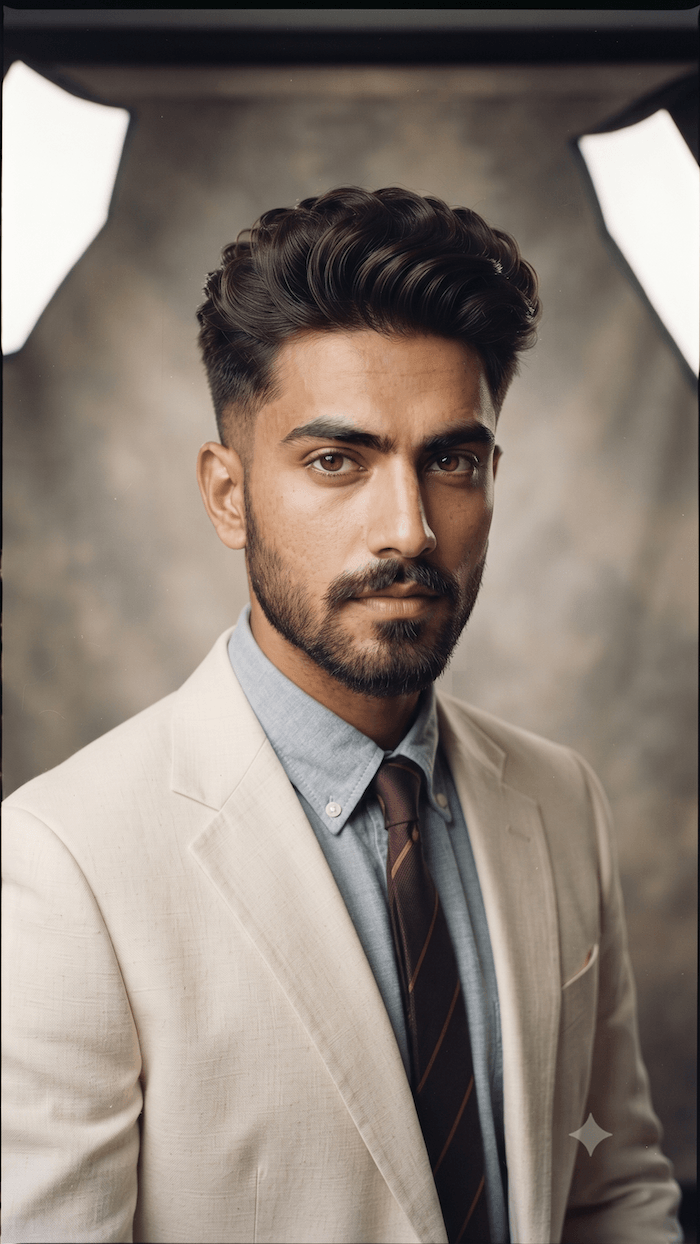 TRENDING
1980s Vintage Studio Portrait
Transform the uploaded photo into an authentic 1980s professional studio portrait while preserving the subject's identity, facial structure, facial proportions, natural skin tone, recognizable features, and original expression as accurately as possible. Recreate the visual character of a mid-to-late 1980s analog portrait photographed on a 35mm film camera: soft studio flash, gentle diffusion, warm and slightly muted film colors, realistic analog film grain, subtle highlight halation, natural skin texture, soft contrast, mild optical softness, and authentic vintage lens rendering. Give the subject tasteful period-appropriate 1980s styling through clothing, hairstyle, and overall presentation, without changing who the person is. Use a classic professional photography-studio backdrop with understated cream, beige, dusty blue, or warm gray tones and subtle graduated lighting. The result should feel like a genuine professionally printed photograph from the 1980s that has been scanned at high quality today. Include believable analog imperfections such as very slight exposure variation, delicate grain, soft edges, and natural film color response. Avoid modern digital sharpness, HDR, excessive skin smoothing, plastic-looking skin, contemporary fashion, artificial facial changes, exaggerated retro filters, cartoon or illustration effects, excessive scratches, severe degradation, or oversaturation. Keep the final result highly photorealistic, elegant, nostalgic, and convincingly captured in the 1980s.
 HOT
HOT
1980s Bookshop
Use the UPLOADED REFERENCE IMAGE as the absolute primary visual reference for the person/people. Recreate the same individual(s) in an authentic 1980s setting while preserving identity with maximum fidelity. REFERENCE-IMAGE PRESERVATION: - Preserve the exact facial identity, facial proportions, face shape, eyes, eyebrows, nose, lips, jawline, cheeks, ears, skin tone, natural facial asymmetry and recognizable features from the uploaded image. - Preserve the person's apparent age and natural expression unless the composition naturally requires a different expression. - Preserve the original hairstyle, hairline and hair characteristics as faithfully as possible; only make a subtle period-appropriate adjustment if necessary, without changing identity. - Preserve body proportions, posture, visible anatomy and recognizable physical characteristics from the reference. - Preserve the original clothing whenever practical if it suits the composition; otherwise adapt the clothing to authentic 1980s fashion while keeping the person's identity, body shape and visible features unchanged. - If multiple people appear in the reference, preserve EVERY person's individual identity separately and do not merge, replace, duplicate or swap faces. - Do not beautify, age, de-age, slim, enlarge eyes, reshape the nose, alter the jaw, change skin tone, or introduce generic AI facial features. - Do not invent missing facial or body parts. Keep anatomy consistent with what is actually visible in the reference. - The result must look like the SAME person photographed in the 1980s, not a different person inspired by the reference. SCENE: a cozy 1980s Indian bookshop with wooden shelves, printed books, magazines and handwritten price labels 1980s AUTHENTICITY: Build the environment, wardrobe, hairstyles, accessories, vehicles, furniture, signage, technology and small background details from the 1980s. Avoid anything invented after the era: modern smartphones, modern cars, LED panels, contemporary buildings, modern logos, modern fashion, modern screens or current digital devices. Use culturally appropriate Indian/Punjabi details when the scene calls for them. PHOTOGRAPHIC STYLE: Authentic analog 35mm photography, period-appropriate lens rendering, natural optical softness, realistic depth of field, subtle film grain, slight halation around bright highlights, gentle color fading, restrained contrast, realistic skin texture, believable shadows, natural exposure imperfections and fine photographic detail. The image should feel like a genuine photograph taken in the 1980s, not a modern image with a retro filter. COMPOSITION: Choose the framing that best matches the uploaded reference image and the scene. Maintain recognizable proportions and visual prominence of the reference subject. Use natural perspective, realistic scale, coherent lighting and physically believable interaction with the environment. Keep the person's face sharp enough for identity recognition. QUALITY AND REALISM: Ultra-photorealistic, highly detailed, natural skin pores, realistic hair strands, authentic fabric texture, physically accurate lighting, realistic hands and anatomy, coherent reflections and shadows, professional documentary/editorial photography quality. NEGATIVE INSTRUCTIONS: No face replacement, no identity drift, no different person, no facial morphing, no excessive beauty retouching, no plastic skin, no CGI appearance, no cartoon look, no anime, no distorted anatomy, no extra fingers, no duplicated people, no modern objects, no modern clothing unless unavoidable, no futuristic elements, no artificial HDR, no excessive sharpening, no fake film overlay, no watermark, no text unless naturally present in the period environment. FINAL GOAL: The uploaded reference person must remain unmistakably the same person, transported convincingly into the selected 1980s world. Prioritize identity preservation first, historical authenticity second, and cinematic photographic beauty third.
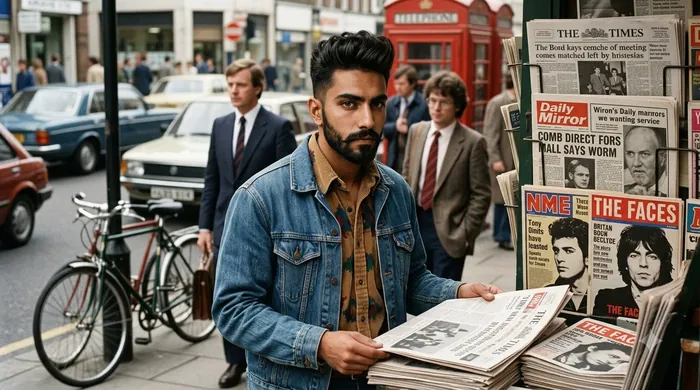 HOT
HOT
1980s Newspaper Stand
Use the UPLOADED REFERENCE IMAGE as the absolute primary visual reference for the person/people. Recreate the same individual(s) in an authentic 1980s setting while preserving identity with maximum fidelity. REFERENCE-IMAGE PRESERVATION: - Preserve the exact facial identity, facial proportions, face shape, eyes, eyebrows, nose, lips, jawline, cheeks, ears, skin tone, natural facial asymmetry and recognizable features from the uploaded image. - Preserve the person's apparent age and natural expression unless the composition naturally requires a different expression. - Preserve the original hairstyle, hairline and hair characteristics as faithfully as possible; only make a subtle period-appropriate adjustment if necessary, without changing identity. - Preserve body proportions, posture, visible anatomy and recognizable physical characteristics from the reference. - Preserve the original clothing whenever practical if it suits the composition; otherwise adapt the clothing to authentic 1980s fashion while keeping the person's identity, body shape and visible features unchanged. - If multiple people appear in the reference, preserve EVERY person's individual identity separately and do not merge, replace, duplicate or swap faces. - Do not beautify, age, de-age, slim, enlarge eyes, reshape the nose, alter the jaw, change skin tone, or introduce generic AI facial features. - Do not invent missing facial or body parts. Keep anatomy consistent with what is actually visible in the reference. - The result must look like the SAME person photographed in the 1980s, not a different person inspired by the reference. SCENE: a street-corner newspaper stand in the 1980s surrounded by newspapers, magazines, bicycles and morning commuters 1980s AUTHENTICITY: Build the environment, wardrobe, hairstyles, accessories, vehicles, furniture, signage, technology and small background details from the 1980s. Avoid anything invented after the era: modern smartphones, modern cars, LED panels, contemporary buildings, modern logos, modern fashion, modern screens or current digital devices. Use culturally appropriate Indian/Punjabi details when the scene calls for them. PHOTOGRAPHIC STYLE: Authentic analog 35mm photography, period-appropriate lens rendering, natural optical softness, realistic depth of field, subtle film grain, slight halation around bright highlights, gentle color fading, restrained contrast, realistic skin texture, believable shadows, natural exposure imperfections and fine photographic detail. The image should feel like a genuine photograph taken in the 1980s, not a modern image with a retro filter. COMPOSITION: Choose the framing that best matches the uploaded reference image and the scene. Maintain recognizable proportions and visual prominence of the reference subject. Use natural perspective, realistic scale, coherent lighting and physically believable interaction with the environment. Keep the person's face sharp enough for identity recognition. QUALITY AND REALISM: Ultra-photorealistic, highly detailed, natural skin pores, realistic hair strands, authentic fabric texture, physically accurate lighting, realistic hands and anatomy, coherent reflections and shadows, professional documentary/editorial photography quality. NEGATIVE INSTRUCTIONS: No face replacement, no identity drift, no different person, no facial morphing, no excessive beauty retouching, no plastic skin, no CGI appearance, no cartoon look, no anime, no distorted anatomy, no extra fingers, no duplicated people, no modern objects, no modern clothing unless unavoidable, no futuristic elements, no artificial HDR, no excessive sharpening, no fake film overlay, no watermark, no text unless naturally present in the period environment. FINAL GOAL: The uploaded reference person must remain unmistakably the same person, transported convincingly into the selected 1980s world. Prioritize identity preservation first, historical authenticity second, and cinematic photographic beauty third.
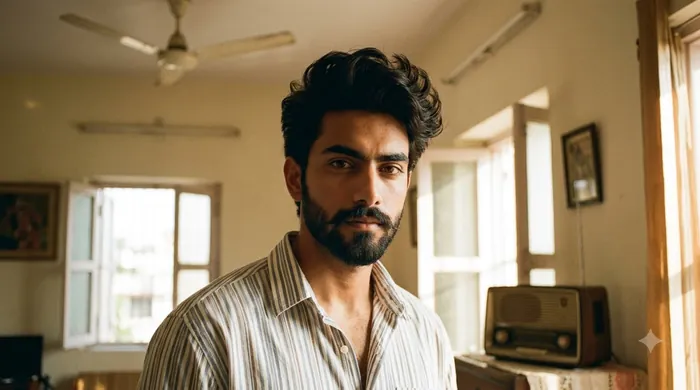 TRENDING
1980s Summer
Use the UPLOADED REFERENCE IMAGE as the absolute primary visual reference for the person/people. Recreate the same individual(s) in an authentic 1980s setting while preserving identity with maximum fidelity. REFERENCE-IMAGE PRESERVATION: - Preserve the exact facial identity, facial proportions, face shape, eyes, eyebrows, nose, lips, jawline, cheeks, ears, skin tone, natural facial asymmetry and recognizable features from the uploaded image. - Preserve the person's apparent age and natural expression unless the composition naturally requires a different expression. - Preserve the original hairstyle, hairline and hair characteristics as faithfully as possible; only make a subtle period-appropriate adjustment if necessary, without changing identity. - Preserve body proportions, posture, visible anatomy and recognizable physical characteristics from the reference. - Preserve the original clothing whenever practical if it suits the composition; otherwise adapt the clothing to authentic 1980s fashion while keeping the person's identity, body shape and visible features unchanged. - If multiple people appear in the reference, preserve EVERY person's individual identity separately and do not merge, replace, duplicate or swap faces. - Do not beautify, age, de-age, slim, enlarge eyes, reshape the nose, alter the jaw, change skin tone, or introduce generic AI facial features. - Do not invent missing facial or body parts. Keep anatomy consistent with what is actually visible in the reference. - The result must look like the SAME person photographed in the 1980s, not a different person inspired by the reference. SCENE: a bright 1980s Indian summer afternoon with ceiling fans, cotton clothing, open windows and warm sunlight 1980s AUTHENTICITY: Build the environment, wardrobe, hairstyles, accessories, vehicles, furniture, signage, technology and small background details from the 1980s. Avoid anything invented after the era: modern smartphones, modern cars, LED panels, contemporary buildings, modern logos, modern fashion, modern screens or current digital devices. Use culturally appropriate Indian/Punjabi details when the scene calls for them. PHOTOGRAPHIC STYLE: Authentic analog 35mm photography, period-appropriate lens rendering, natural optical softness, realistic depth of field, subtle film grain, slight halation around bright highlights, gentle color fading, restrained contrast, realistic skin texture, believable shadows, natural exposure imperfections and fine photographic detail. The image should feel like a genuine photograph taken in the 1980s, not a modern image with a retro filter. COMPOSITION: Choose the framing that best matches the uploaded reference image and the scene. Maintain recognizable proportions and visual prominence of the reference subject. Use natural perspective, realistic scale, coherent lighting and physically believable interaction with the environment. Keep the person's face sharp enough for identity recognition. QUALITY AND REALISM: Ultra-photorealistic, highly detailed, natural skin pores, realistic hair strands, authentic fabric texture, physically accurate lighting, realistic hands and anatomy, coherent reflections and shadows, professional documentary/editorial photography quality. NEGATIVE INSTRUCTIONS: No face replacement, no identity drift, no different person, no facial morphing, no excessive beauty retouching, no plastic skin, no CGI appearance, no cartoon look, no anime, no distorted anatomy, no extra fingers, no duplicated people, no modern objects, no modern clothing unless unavoidable, no futuristic elements, no artificial HDR, no excessive sharpening, no fake film overlay, no watermark, no text unless naturally present in the period environment. FINAL GOAL: The uploaded reference person must remain unmistakably the same person, transported convincingly into the selected 1980s world. Prioritize identity preservation first, historical authenticity second, and cinematic photographic beauty third.
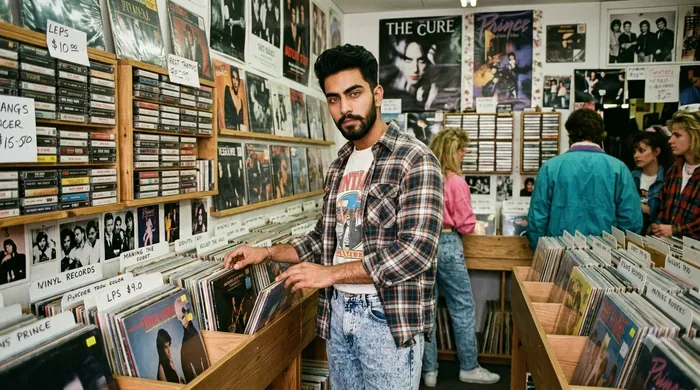 HOT
HOT
1980s Record Store
Use the UPLOADED REFERENCE IMAGE as the absolute primary visual reference for the person/people. Recreate the same individual(s) in an authentic 1980s setting while preserving identity with maximum fidelity. REFERENCE-IMAGE PRESERVATION: - Preserve the exact facial identity, facial proportions, face shape, eyes, eyebrows, nose, lips, jawline, cheeks, ears, skin tone, natural facial asymmetry and recognizable features from the uploaded image. - Preserve the person's apparent age and natural expression unless the composition naturally requires a different expression. - Preserve the original hairstyle, hairline and hair characteristics as faithfully as possible; only make a subtle period-appropriate adjustment if necessary, without changing identity. - Preserve body proportions, posture, visible anatomy and recognizable physical characteristics from the reference. - Preserve the original clothing whenever practical if it suits the composition; otherwise adapt the clothing to authentic 1980s fashion while keeping the person's identity, body shape and visible features unchanged. - If multiple people appear in the reference, preserve EVERY person's individual identity separately and do not merge, replace, duplicate or swap faces. - Do not beautify, age, de-age, slim, enlarge eyes, reshape the nose, alter the jaw, change skin tone, or introduce generic AI facial features. - Do not invent missing facial or body parts. Keep anatomy consistent with what is actually visible in the reference. - The result must look like the SAME person photographed in the 1980s, not a different person inspired by the reference. SCENE: a music shop in the 1980s filled with vinyl records, cassette tapes, posters and wooden display racks 1980s AUTHENTICITY: Build the environment, wardrobe, hairstyles, accessories, vehicles, furniture, signage, technology and small background details from the 1980s. Avoid anything invented after the era: modern smartphones, modern cars, LED panels, contemporary buildings, modern logos, modern fashion, modern screens or current digital devices. Use culturally appropriate Indian/Punjabi details when the scene calls for them. PHOTOGRAPHIC STYLE: Authentic analog 35mm photography, period-appropriate lens rendering, natural optical softness, realistic depth of field, subtle film grain, slight halation around bright highlights, gentle color fading, restrained contrast, realistic skin texture, believable shadows, natural exposure imperfections and fine photographic detail. The image should feel like a genuine photograph taken in the 1980s, not a modern image with a retro filter. COMPOSITION: Choose the framing that best matches the uploaded reference image and the scene. Maintain recognizable proportions and visual prominence of the reference subject. Use natural perspective, realistic scale, coherent lighting and physically believable interaction with the environment. Keep the person's face sharp enough for identity recognition. QUALITY AND REALISM: Ultra-photorealistic, highly detailed, natural skin pores, realistic hair strands, authentic fabric texture, physically accurate lighting, realistic hands and anatomy, coherent reflections and shadows, professional documentary/editorial photography quality. NEGATIVE INSTRUCTIONS: No face replacement, no identity drift, no different person, no facial morphing, no excessive beauty retouching, no plastic skin, no CGI appearance, no cartoon look, no anime, no distorted anatomy, no extra fingers, no duplicated people, no modern objects, no modern clothing unless unavoidable, no futuristic elements, no artificial HDR, no excessive sharpening, no fake film overlay, no watermark, no text unless naturally present in the period environment. FINAL GOAL: The uploaded reference person must remain unmistakably the same person, transported convincingly into the selected 1980s world. Prioritize identity preservation first, historical authenticity second, and cinematic photographic beauty third.
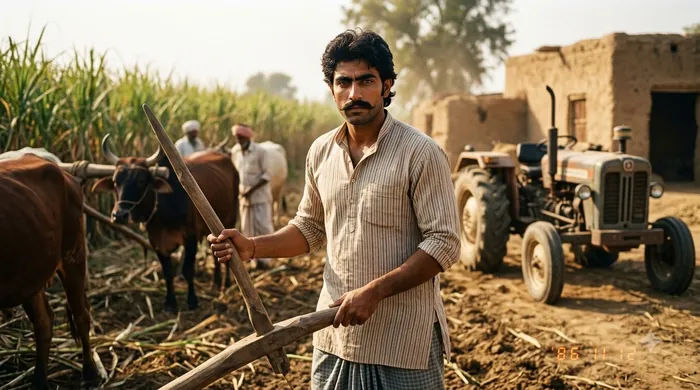 TOP
TOP
1980s Farm
Use the UPLOADED REFERENCE IMAGE as the absolute primary visual reference for the person/people. Recreate the same individual(s) in an authentic 1980s setting while preserving identity with maximum fidelity. REFERENCE-IMAGE PRESERVATION: - Preserve the exact facial identity, facial proportions, face shape, eyes, eyebrows, nose, lips, jawline, cheeks, ears, skin tone, natural facial asymmetry and recognizable features from the uploaded image. - Preserve the person's apparent age and natural expression unless the composition naturally requires a different expression. - Preserve the original hairstyle, hairline and hair characteristics as faithfully as possible; only make a subtle period-appropriate adjustment if necessary, without changing identity. - Preserve body proportions, posture, visible anatomy and recognizable physical characteristics from the reference. - Preserve the original clothing whenever practical if it suits the composition; otherwise adapt the clothing to authentic 1980s fashion while keeping the person's identity, body shape and visible features unchanged. - If multiple people appear in the reference, preserve EVERY person's individual identity separately and do not merge, replace, duplicate or swap faces. - Do not beautify, age, de-age, slim, enlarge eyes, reshape the nose, alter the jaw, change skin tone, or introduce generic AI facial features. - Do not invent missing facial or body parts. Keep anatomy consistent with what is actually visible in the reference. - The result must look like the SAME person photographed in the 1980s, not a different person inspired by the reference. SCENE: an Indian farm in the 1980s with agricultural fields, traditional tools, rural clothing and warm natural sunlight 1980s AUTHENTICITY: Build the environment, wardrobe, hairstyles, accessories, vehicles, furniture, signage, technology and small background details from the 1980s. Avoid anything invented after the era: modern smartphones, modern cars, LED panels, contemporary buildings, modern logos, modern fashion, modern screens or current digital devices. Use culturally appropriate Indian/Punjabi details when the scene calls for them. PHOTOGRAPHIC STYLE: Authentic analog 35mm photography, period-appropriate lens rendering, natural optical softness, realistic depth of field, subtle film grain, slight halation around bright highlights, gentle color fading, restrained contrast, realistic skin texture, believable shadows, natural exposure imperfections and fine photographic detail. The image should feel like a genuine photograph taken in the 1980s, not a modern image with a retro filter. COMPOSITION: Choose the framing that best matches the uploaded reference image and the scene. Maintain recognizable proportions and visual prominence of the reference subject. Use natural perspective, realistic scale, coherent lighting and physically believable interaction with the environment. Keep the person's face sharp enough for identity recognition. QUALITY AND REALISM: Ultra-photorealistic, highly detailed, natural skin pores, realistic hair strands, authentic fabric texture, physically accurate lighting, realistic hands and anatomy, coherent reflections and shadows, professional documentary/editorial photography quality. NEGATIVE INSTRUCTIONS: No face replacement, no identity drift, no different person, no facial morphing, no excessive beauty retouching, no plastic skin, no CGI appearance, no cartoon look, no anime, no distorted anatomy, no extra fingers, no duplicated people, no modern objects, no modern clothing unless unavoidable, no futuristic elements, no artificial HDR, no excessive sharpening, no fake film overlay, no watermark, no text unless naturally present in the period environment. FINAL GOAL: The uploaded reference person must remain unmistakably the same person, transported convincingly into the selected 1980s world. Prioritize identity preservation first, historical authenticity second, and cinematic photographic beauty third.
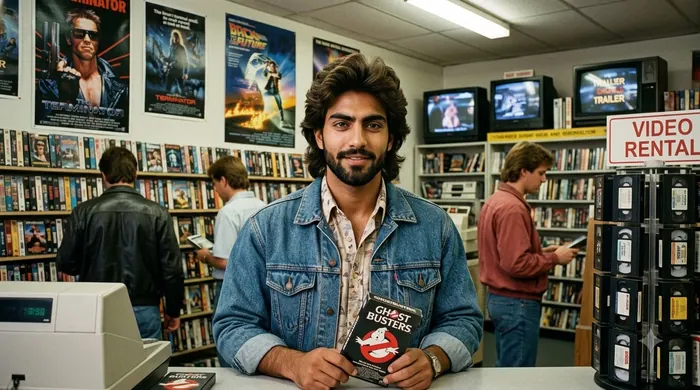 HOT
HOT
1980s Video Rental
Use the UPLOADED REFERENCE IMAGE as the absolute primary visual reference for the person/people. Recreate the same individual(s) in an authentic 1980s setting while preserving identity with maximum fidelity. REFERENCE-IMAGE PRESERVATION: - Preserve the exact facial identity, facial proportions, face shape, eyes, eyebrows, nose, lips, jawline, cheeks, ears, skin tone, natural facial asymmetry and recognizable features from the uploaded image. - Preserve the person's apparent age and natural expression unless the composition naturally requires a different expression. - Preserve the original hairstyle, hairline and hair characteristics as faithfully as possible; only make a subtle period-appropriate adjustment if necessary, without changing identity. - Preserve body proportions, posture, visible anatomy and recognizable physical characteristics from the reference. - Preserve the original clothing whenever practical if it suits the composition; otherwise adapt the clothing to authentic 1980s fashion while keeping the person's identity, body shape and visible features unchanged. - If multiple people appear in the reference, preserve EVERY person's individual identity separately and do not merge, replace, duplicate or swap faces. - Do not beautify, age, de-age, slim, enlarge eyes, reshape the nose, alter the jaw, change skin tone, or introduce generic AI facial features. - Do not invent missing facial or body parts. Keep anatomy consistent with what is actually visible in the reference. - The result must look like the SAME person photographed in the 1980s, not a different person inspired by the reference. SCENE: a 1980s video-rental shop with VHS tapes, CRT screens, movie posters and fluorescent interior lighting 1980s AUTHENTICITY: Build the environment, wardrobe, hairstyles, accessories, vehicles, furniture, signage, technology and small background details from the 1980s. Avoid anything invented after the era: modern smartphones, modern cars, LED panels, contemporary buildings, modern logos, modern fashion, modern screens or current digital devices. Use culturally appropriate Indian/Punjabi details when the scene calls for them. PHOTOGRAPHIC STYLE: Authentic analog 35mm photography, period-appropriate lens rendering, natural optical softness, realistic depth of field, subtle film grain, slight halation around bright highlights, gentle color fading, restrained contrast, realistic skin texture, believable shadows, natural exposure imperfections and fine photographic detail. The image should feel like a genuine photograph taken in the 1980s, not a modern image with a retro filter. COMPOSITION: Choose the framing that best matches the uploaded reference image and the scene. Maintain recognizable proportions and visual prominence of the reference subject. Use natural perspective, realistic scale, coherent lighting and physically believable interaction with the environment. Keep the person's face sharp enough for identity recognition. QUALITY AND REALISM: Ultra-photorealistic, highly detailed, natural skin pores, realistic hair strands, authentic fabric texture, physically accurate lighting, realistic hands and anatomy, coherent reflections and shadows, professional documentary/editorial photography quality. NEGATIVE INSTRUCTIONS: No face replacement, no identity drift, no different person, no facial morphing, no excessive beauty retouching, no plastic skin, no CGI appearance, no cartoon look, no anime, no distorted anatomy, no extra fingers, no duplicated people, no modern objects, no modern clothing unless unavoidable, no futuristic elements, no artificial HDR, no excessive sharpening, no fake film overlay, no watermark, no text unless naturally present in the period environment. FINAL GOAL: The uploaded reference person must remain unmistakably the same person, transported convincingly into the selected 1980s world. Prioritize identity preservation first, historical authenticity second, and cinematic photographic beauty third.
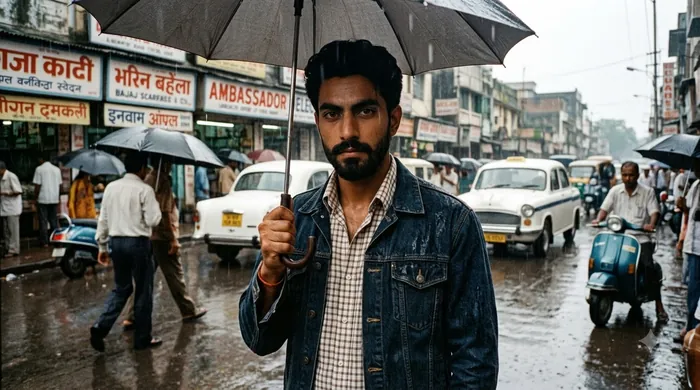 HOT
HOT
1980s Monsoon
Use the UPLOADED REFERENCE IMAGE as the absolute primary visual reference for the person/people. Recreate the same individual(s) in an authentic 1980s setting while preserving identity with maximum fidelity. REFERENCE-IMAGE PRESERVATION: - Preserve the exact facial identity, facial proportions, face shape, eyes, eyebrows, nose, lips, jawline, cheeks, ears, skin tone, natural facial asymmetry and recognizable features from the uploaded image. - Preserve the person's apparent age and natural expression unless the composition naturally requires a different expression. - Preserve the original hairstyle, hairline and hair characteristics as faithfully as possible; only make a subtle period-appropriate adjustment if necessary, without changing identity. - Preserve body proportions, posture, visible anatomy and recognizable physical characteristics from the reference. - Preserve the original clothing whenever practical if it suits the composition; otherwise adapt the clothing to authentic 1980s fashion while keeping the person's identity, body shape and visible features unchanged. - If multiple people appear in the reference, preserve EVERY person's individual identity separately and do not merge, replace, duplicate or swap faces. - Do not beautify, age, de-age, slim, enlarge eyes, reshape the nose, alter the jaw, change skin tone, or introduce generic AI facial features. - Do not invent missing facial or body parts. Keep anatomy consistent with what is actually visible in the reference. - The result must look like the SAME person photographed in the 1980s, not a different person inspired by the reference. SCENE: a rainy Indian street in the 1980s with wet pavement, umbrellas, scooters, reflections and atmospheric overcast light 1980s AUTHENTICITY: Build the environment, wardrobe, hairstyles, accessories, vehicles, furniture, signage, technology and small background details from the 1980s. Avoid anything invented after the era: modern smartphones, modern cars, LED panels, contemporary buildings, modern logos, modern fashion, modern screens or current digital devices. Use culturally appropriate Indian/Punjabi details when the scene calls for them. PHOTOGRAPHIC STYLE: Authentic analog 35mm photography, period-appropriate lens rendering, natural optical softness, realistic depth of field, subtle film grain, slight halation around bright highlights, gentle color fading, restrained contrast, realistic skin texture, believable shadows, natural exposure imperfections and fine photographic detail. The image should feel like a genuine photograph taken in the 1980s, not a modern image with a retro filter. COMPOSITION: Choose the framing that best matches the uploaded reference image and the scene. Maintain recognizable proportions and visual prominence of the reference subject. Use natural perspective, realistic scale, coherent lighting and physically believable interaction with the environment. Keep the person's face sharp enough for identity recognition. QUALITY AND REALISM: Ultra-photorealistic, highly detailed, natural skin pores, realistic hair strands, authentic fabric texture, physically accurate lighting, realistic hands and anatomy, coherent reflections and shadows, professional documentary/editorial photography quality. NEGATIVE INSTRUCTIONS: No face replacement, no identity drift, no different person, no facial morphing, no excessive beauty retouching, no plastic skin, no CGI appearance, no cartoon look, no anime, no distorted anatomy, no extra fingers, no duplicated people, no modern objects, no modern clothing unless unavoidable, no futuristic elements, no artificial HDR, no excessive sharpening, no fake film overlay, no watermark, no text unless naturally present in the period environment. FINAL GOAL: The uploaded reference person must remain unmistakably the same person, transported convincingly into the selected 1980s world. Prioritize identity preservation first, historical authenticity second, and cinematic photographic beauty third.
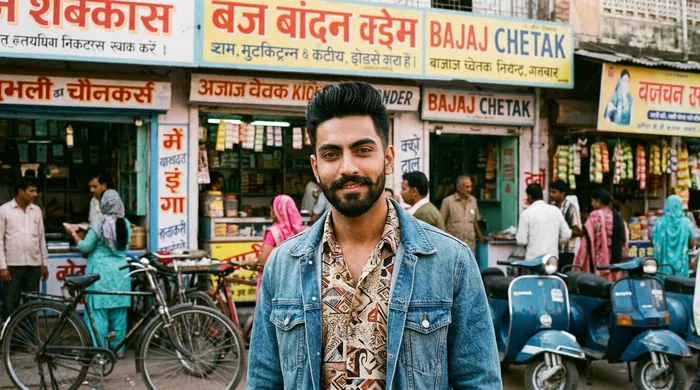 TRENDING
1980s Market
Use the UPLOADED REFERENCE IMAGE as the absolute primary visual reference for the person/people. Recreate the same individual(s) in an authentic 1980s setting while preserving identity with maximum fidelity. REFERENCE-IMAGE PRESERVATION: - Preserve the exact facial identity, facial proportions, face shape, eyes, eyebrows, nose, lips, jawline, cheeks, ears, skin tone, natural facial asymmetry and recognizable features from the uploaded image. - Preserve the person's apparent age and natural expression unless the composition naturally requires a different expression. - Preserve the original hairstyle, hairline and hair characteristics as faithfully as possible; only make a subtle period-appropriate adjustment if necessary, without changing identity. - Preserve body proportions, posture, visible anatomy and recognizable physical characteristics from the reference. - Preserve the original clothing whenever practical if it suits the composition; otherwise adapt the clothing to authentic 1980s fashion while keeping the person's identity, body shape and visible features unchanged. - If multiple people appear in the reference, preserve EVERY person's individual identity separately and do not merge, replace, duplicate or swap faces. - Do not beautify, age, de-age, slim, enlarge eyes, reshape the nose, alter the jaw, change skin tone, or introduce generic AI facial features. - Do not invent missing facial or body parts. Keep anatomy consistent with what is actually visible in the reference. - The result must look like the SAME person photographed in the 1980s, not a different person inspired by the reference. SCENE: a colorful Indian neighborhood market in the 1980s with shopfronts, handwritten signs, vendors, bicycles and scooters 1980s AUTHENTICITY: Build the environment, wardrobe, hairstyles, accessories, vehicles, furniture, signage, technology and small background details from the 1980s. Avoid anything invented after the era: modern smartphones, modern cars, LED panels, contemporary buildings, modern logos, modern fashion, modern screens or current digital devices. Use culturally appropriate Indian/Punjabi details when the scene calls for them. PHOTOGRAPHIC STYLE: Authentic analog 35mm photography, period-appropriate lens rendering, natural optical softness, realistic depth of field, subtle film grain, slight halation around bright highlights, gentle color fading, restrained contrast, realistic skin texture, believable shadows, natural exposure imperfections and fine photographic detail. The image should feel like a genuine photograph taken in the 1980s, not a modern image with a retro filter. COMPOSITION: Choose the framing that best matches the uploaded reference image and the scene. Maintain recognizable proportions and visual prominence of the reference subject. Use natural perspective, realistic scale, coherent lighting and physically believable interaction with the environment. Keep the person's face sharp enough for identity recognition. QUALITY AND REALISM: Ultra-photorealistic, highly detailed, natural skin pores, realistic hair strands, authentic fabric texture, physically accurate lighting, realistic hands and anatomy, coherent reflections and shadows, professional documentary/editorial photography quality. NEGATIVE INSTRUCTIONS: No face replacement, no identity drift, no different person, no facial morphing, no excessive beauty retouching, no plastic skin, no CGI appearance, no cartoon look, no anime, no distorted anatomy, no extra fingers, no duplicated people, no modern objects, no modern clothing unless unavoidable, no futuristic elements, no artificial HDR, no excessive sharpening, no fake film overlay, no watermark, no text unless naturally present in the period environment. FINAL GOAL: The uploaded reference person must remain unmistakably the same person, transported convincingly into the selected 1980s world. Prioritize identity preservation first, historical authenticity second, and cinematic photographic beauty third.
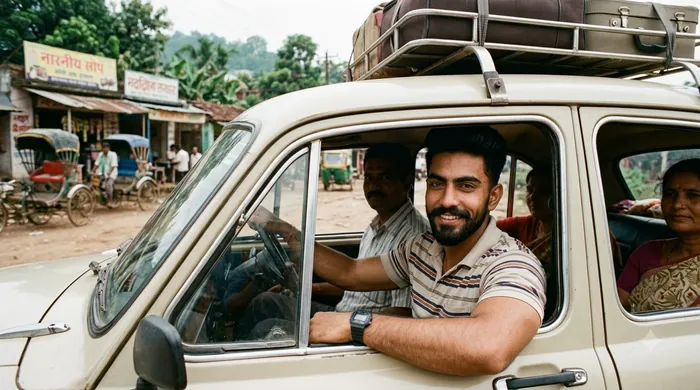 TRENDING
1980s Family Car
Use the UPLOADED REFERENCE IMAGE as the absolute primary visual reference for the person/people. Recreate the same individual(s) in an authentic 1980s setting while preserving identity with maximum fidelity. REFERENCE-IMAGE PRESERVATION: - Preserve the exact facial identity, facial proportions, face shape, eyes, eyebrows, nose, lips, jawline, cheeks, ears, skin tone, natural facial asymmetry and recognizable features from the uploaded image. - Preserve the person's apparent age and natural expression unless the composition naturally requires a different expression. - Preserve the original hairstyle, hairline and hair characteristics as faithfully as possible; only make a subtle period-appropriate adjustment if necessary, without changing identity. - Preserve body proportions, posture, visible anatomy and recognizable physical characteristics from the reference. - Preserve the original clothing whenever practical if it suits the composition; otherwise adapt the clothing to authentic 1980s fashion while keeping the person's identity, body shape and visible features unchanged. - If multiple people appear in the reference, preserve EVERY person's individual identity separately and do not merge, replace, duplicate or swap faces. - Do not beautify, age, de-age, slim, enlarge eyes, reshape the nose, alter the jaw, change skin tone, or introduce generic AI facial features. - Do not invent missing facial or body parts. Keep anatomy consistent with what is actually visible in the reference. - The result must look like the SAME person photographed in the 1980s, not a different person inspired by the reference. SCENE: a classic 1980s family car on an Indian road with period luggage, roadside scenery and nostalgic travel atmosphere 1980s AUTHENTICITY: Build the environment, wardrobe, hairstyles, accessories, vehicles, furniture, signage, technology and small background details from the 1980s. Avoid anything invented after the era: modern smartphones, modern cars, LED panels, contemporary buildings, modern logos, modern fashion, modern screens or current digital devices. Use culturally appropriate Indian/Punjabi details when the scene calls for them. PHOTOGRAPHIC STYLE: Authentic analog 35mm photography, period-appropriate lens rendering, natural optical softness, realistic depth of field, subtle film grain, slight halation around bright highlights, gentle color fading, restrained contrast, realistic skin texture, believable shadows, natural exposure imperfections and fine photographic detail. The image should feel like a genuine photograph taken in the 1980s, not a modern image with a retro filter. COMPOSITION: Choose the framing that best matches the uploaded reference image and the scene. Maintain recognizable proportions and visual prominence of the reference subject. Use natural perspective, realistic scale, coherent lighting and physically believable interaction with the environment. Keep the person's face sharp enough for identity recognition. QUALITY AND REALISM: Ultra-photorealistic, highly detailed, natural skin pores, realistic hair strands, authentic fabric texture, physically accurate lighting, realistic hands and anatomy, coherent reflections and shadows, professional documentary/editorial photography quality. NEGATIVE INSTRUCTIONS: No face replacement, no identity drift, no different person, no facial morphing, no excessive beauty retouching, no plastic skin, no CGI appearance, no cartoon look, no anime, no distorted anatomy, no extra fingers, no duplicated people, no modern objects, no modern clothing unless unavoidable, no futuristic elements, no artificial HDR, no excessive sharpening, no fake film overlay, no watermark, no text unless naturally present in the period environment. FINAL GOAL: The uploaded reference person must remain unmistakably the same person, transported convincingly into the selected 1980s world. Prioritize identity preservation first, historical authenticity second, and cinematic photographic beauty third.
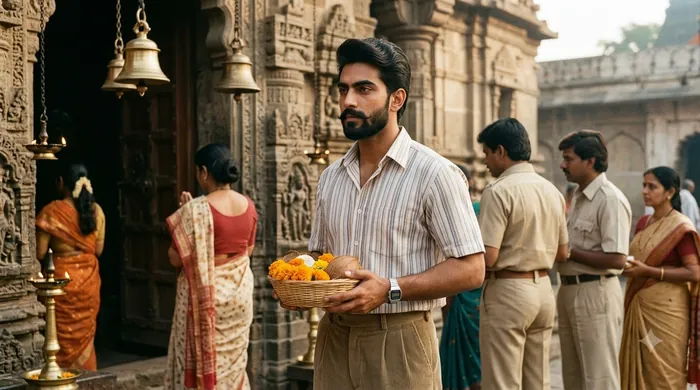 HOT
HOT
1980s Temple Visit
Use the UPLOADED REFERENCE IMAGE as the absolute primary visual reference for the person/people. Recreate the same individual(s) in an authentic 1980s setting while preserving identity with maximum fidelity. REFERENCE-IMAGE PRESERVATION: - Preserve the exact facial identity, facial proportions, face shape, eyes, eyebrows, nose, lips, jawline, cheeks, ears, skin tone, natural facial asymmetry and recognizable features from the uploaded image. - Preserve the person's apparent age and natural expression unless the composition naturally requires a different expression. - Preserve the original hairstyle, hairline and hair characteristics as faithfully as possible; only make a subtle period-appropriate adjustment if necessary, without changing identity. - Preserve body proportions, posture, visible anatomy and recognizable physical characteristics from the reference. - Preserve the original clothing whenever practical if it suits the composition; otherwise adapt the clothing to authentic 1980s fashion while keeping the person's identity, body shape and visible features unchanged. - If multiple people appear in the reference, preserve EVERY person's individual identity separately and do not merge, replace, duplicate or swap faces. - Do not beautify, age, de-age, slim, enlarge eyes, reshape the nose, alter the jaw, change skin tone, or introduce generic AI facial features. - Do not invent missing facial or body parts. Keep anatomy consistent with what is actually visible in the reference. - The result must look like the SAME person photographed in the 1980s, not a different person inspired by the reference. SCENE: a respectful 1980s temple visit with period clothing, traditional architecture, flowers and natural morning light 1980s AUTHENTICITY: Build the environment, wardrobe, hairstyles, accessories, vehicles, furniture, signage, technology and small background details from the 1980s. Avoid anything invented after the era: modern smartphones, modern cars, LED panels, contemporary buildings, modern logos, modern fashion, modern screens or current digital devices. Use culturally appropriate Indian/Punjabi details when the scene calls for them. PHOTOGRAPHIC STYLE: Authentic analog 35mm photography, period-appropriate lens rendering, natural optical softness, realistic depth of field, subtle film grain, slight halation around bright highlights, gentle color fading, restrained contrast, realistic skin texture, believable shadows, natural exposure imperfections and fine photographic detail. The image should feel like a genuine photograph taken in the 1980s, not a modern image with a retro filter. COMPOSITION: Choose the framing that best matches the uploaded reference image and the scene. Maintain recognizable proportions and visual prominence of the reference subject. Use natural perspective, realistic scale, coherent lighting and physically believable interaction with the environment. Keep the person's face sharp enough for identity recognition. QUALITY AND REALISM: Ultra-photorealistic, highly detailed, natural skin pores, realistic hair strands, authentic fabric texture, physically accurate lighting, realistic hands and anatomy, coherent reflections and shadows, professional documentary/editorial photography quality. NEGATIVE INSTRUCTIONS: No face replacement, no identity drift, no different person, no facial morphing, no excessive beauty retouching, no plastic skin, no CGI appearance, no cartoon look, no anime, no distorted anatomy, no extra fingers, no duplicated people, no modern objects, no modern clothing unless unavoidable, no futuristic elements, no artificial HDR, no excessive sharpening, no fake film overlay, no watermark, no text unless naturally present in the period environment. FINAL GOAL: The uploaded reference person must remain unmistakably the same person, transported convincingly into the selected 1980s world. Prioritize identity preservation first, historical authenticity second, and cinematic photographic beauty third.
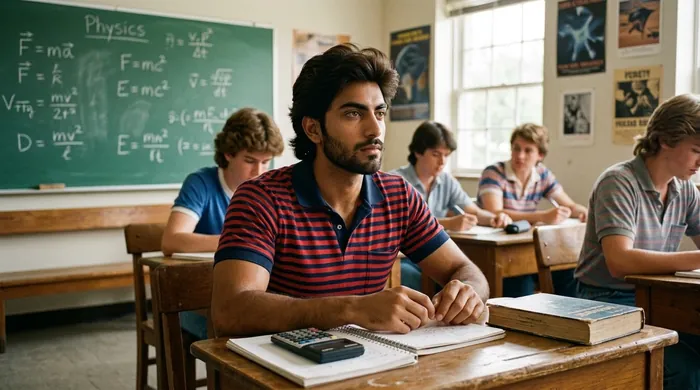 TOP
TOP
1980s Classroom
Use the UPLOADED REFERENCE IMAGE as the absolute primary visual reference for the person/people. Recreate the same individual(s) in an authentic 1980s setting while preserving identity with maximum fidelity. REFERENCE-IMAGE PRESERVATION: - Preserve the exact facial identity, facial proportions, face shape, eyes, eyebrows, nose, lips, jawline, cheeks, ears, skin tone, natural facial asymmetry and recognizable features from the uploaded image. - Preserve the person's apparent age and natural expression unless the composition naturally requires a different expression. - Preserve the original hairstyle, hairline and hair characteristics as faithfully as possible; only make a subtle period-appropriate adjustment if necessary, without changing identity. - Preserve body proportions, posture, visible anatomy and recognizable physical characteristics from the reference. - Preserve the original clothing whenever practical if it suits the composition; otherwise adapt the clothing to authentic 1980s fashion while keeping the person's identity, body shape and visible features unchanged. - If multiple people appear in the reference, preserve EVERY person's individual identity separately and do not merge, replace, duplicate or swap faces. - Do not beautify, age, de-age, slim, enlarge eyes, reshape the nose, alter the jaw, change skin tone, or introduce generic AI facial features. - Do not invent missing facial or body parts. Keep anatomy consistent with what is actually visible in the reference. - The result must look like the SAME person photographed in the 1980s, not a different person inspired by the reference. SCENE: a realistic 1980s classroom with chalkboard writing, wooden benches, notebooks and natural window light 1980s AUTHENTICITY: Build the environment, wardrobe, hairstyles, accessories, vehicles, furniture, signage, technology and small background details from the 1980s. Avoid anything invented after the era: modern smartphones, modern cars, LED panels, contemporary buildings, modern logos, modern fashion, modern screens or current digital devices. Use culturally appropriate Indian/Punjabi details when the scene calls for them. PHOTOGRAPHIC STYLE: Authentic analog 35mm photography, period-appropriate lens rendering, natural optical softness, realistic depth of field, subtle film grain, slight halation around bright highlights, gentle color fading, restrained contrast, realistic skin texture, believable shadows, natural exposure imperfections and fine photographic detail. The image should feel like a genuine photograph taken in the 1980s, not a modern image with a retro filter. COMPOSITION: Choose the framing that best matches the uploaded reference image and the scene. Maintain recognizable proportions and visual prominence of the reference subject. Use natural perspective, realistic scale, coherent lighting and physically believable interaction with the environment. Keep the person's face sharp enough for identity recognition. QUALITY AND REALISM: Ultra-photorealistic, highly detailed, natural skin pores, realistic hair strands, authentic fabric texture, physically accurate lighting, realistic hands and anatomy, coherent reflections and shadows, professional documentary/editorial photography quality. NEGATIVE INSTRUCTIONS: No face replacement, no identity drift, no different person, no facial morphing, no excessive beauty retouching, no plastic skin, no CGI appearance, no cartoon look, no anime, no distorted anatomy, no extra fingers, no duplicated people, no modern objects, no modern clothing unless unavoidable, no futuristic elements, no artificial HDR, no excessive sharpening, no fake film overlay, no watermark, no text unless naturally present in the period environment. FINAL GOAL: The uploaded reference person must remain unmistakably the same person, transported convincingly into the selected 1980s world. Prioritize identity preservation first, historical authenticity second, and cinematic photographic beauty third.
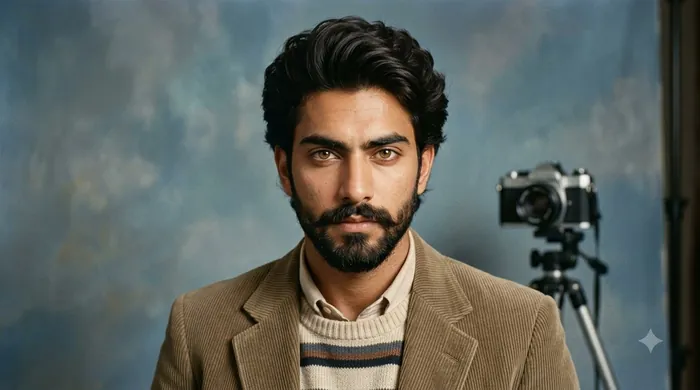 TRENDING
1980s Studio Portrait
Use the UPLOADED REFERENCE IMAGE as the absolute primary visual reference for the person/people. Recreate the same individual(s) in an authentic 1980s setting while preserving identity with maximum fidelity. REFERENCE-IMAGE PRESERVATION: - Preserve the exact facial identity, facial proportions, face shape, eyes, eyebrows, nose, lips, jawline, cheeks, ears, skin tone, natural facial asymmetry and recognizable features from the uploaded image. - Preserve the person's apparent age and natural expression unless the composition naturally requires a different expression. - Preserve the original hairstyle, hairline and hair characteristics as faithfully as possible; only make a subtle period-appropriate adjustment if necessary, without changing identity. - Preserve body proportions, posture, visible anatomy and recognizable physical characteristics from the reference. - Preserve the original clothing whenever practical if it suits the composition; otherwise adapt the clothing to authentic 1980s fashion while keeping the person's identity, body shape and visible features unchanged. - If multiple people appear in the reference, preserve EVERY person's individual identity separately and do not merge, replace, duplicate or swap faces. - Do not beautify, age, de-age, slim, enlarge eyes, reshape the nose, alter the jaw, change skin tone, or introduce generic AI facial features. - Do not invent missing facial or body parts. Keep anatomy consistent with what is actually visible in the reference. - The result must look like the SAME person photographed in the 1980s, not a different person inspired by the reference. SCENE: a professional 1980s portrait studio with a simple painted backdrop, soft key light and subtle on-camera flash 1980s AUTHENTICITY: Build the environment, wardrobe, hairstyles, accessories, vehicles, furniture, signage, technology and small background details from the 1980s. Avoid anything invented after the era: modern smartphones, modern cars, LED panels, contemporary buildings, modern logos, modern fashion, modern screens or current digital devices. Use culturally appropriate Indian/Punjabi details when the scene calls for them. PHOTOGRAPHIC STYLE: Authentic analog 35mm photography, period-appropriate lens rendering, natural optical softness, realistic depth of field, subtle film grain, slight halation around bright highlights, gentle color fading, restrained contrast, realistic skin texture, believable shadows, natural exposure imperfections and fine photographic detail. The image should feel like a genuine photograph taken in the 1980s, not a modern image with a retro filter. COMPOSITION: Choose the framing that best matches the uploaded reference image and the scene. Maintain recognizable proportions and visual prominence of the reference subject. Use natural perspective, realistic scale, coherent lighting and physically believable interaction with the environment. Keep the person's face sharp enough for identity recognition. QUALITY AND REALISM: Ultra-photorealistic, highly detailed, natural skin pores, realistic hair strands, authentic fabric texture, physically accurate lighting, realistic hands and anatomy, coherent reflections and shadows, professional documentary/editorial photography quality. NEGATIVE INSTRUCTIONS: No face replacement, no identity drift, no different person, no facial morphing, no excessive beauty retouching, no plastic skin, no CGI appearance, no cartoon look, no anime, no distorted anatomy, no extra fingers, no duplicated people, no modern objects, no modern clothing unless unavoidable, no futuristic elements, no artificial HDR, no excessive sharpening, no fake film overlay, no watermark, no text unless naturally present in the period environment. FINAL GOAL: The uploaded reference person must remain unmistakably the same person, transported convincingly into the selected 1980s world. Prioritize identity preservation first, historical authenticity second, and cinematic photographic beauty third.
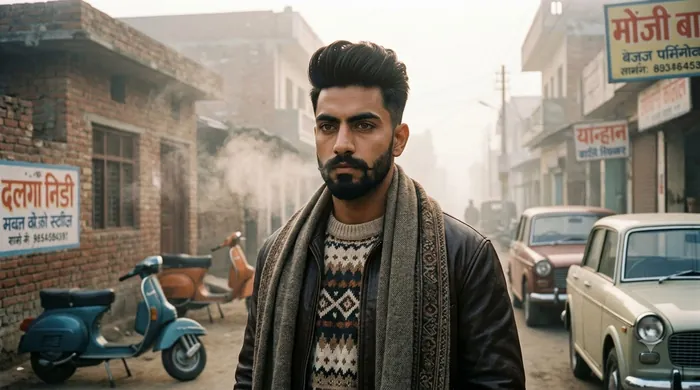 TRENDING
1980s Winter
Use the UPLOADED REFERENCE IMAGE as the absolute primary visual reference for the person/people. Recreate the same individual(s) in an authentic 1980s setting while preserving identity with maximum fidelity. REFERENCE-IMAGE PRESERVATION: - Preserve the exact facial identity, facial proportions, face shape, eyes, eyebrows, nose, lips, jawline, cheeks, ears, skin tone, natural facial asymmetry and recognizable features from the uploaded image. - Preserve the person's apparent age and natural expression unless the composition naturally requires a different expression. - Preserve the original hairstyle, hairline and hair characteristics as faithfully as possible; only make a subtle period-appropriate adjustment if necessary, without changing identity. - Preserve body proportions, posture, visible anatomy and recognizable physical characteristics from the reference. - Preserve the original clothing whenever practical if it suits the composition; otherwise adapt the clothing to authentic 1980s fashion while keeping the person's identity, body shape and visible features unchanged. - If multiple people appear in the reference, preserve EVERY person's individual identity separately and do not merge, replace, duplicate or swap faces. - Do not beautify, age, de-age, slim, enlarge eyes, reshape the nose, alter the jaw, change skin tone, or introduce generic AI facial features. - Do not invent missing facial or body parts. Keep anatomy consistent with what is actually visible in the reference. - The result must look like the SAME person photographed in the 1980s, not a different person inspired by the reference. SCENE: a winter morning in North India during the 1980s with sweaters, shawls, soft fog and authentic neighborhood surroundings 1980s AUTHENTICITY: Build the environment, wardrobe, hairstyles, accessories, vehicles, furniture, signage, technology and small background details from the 1980s. Avoid anything invented after the era: modern smartphones, modern cars, LED panels, contemporary buildings, modern logos, modern fashion, modern screens or current digital devices. Use culturally appropriate Indian/Punjabi details when the scene calls for them. PHOTOGRAPHIC STYLE: Authentic analog 35mm photography, period-appropriate lens rendering, natural optical softness, realistic depth of field, subtle film grain, slight halation around bright highlights, gentle color fading, restrained contrast, realistic skin texture, believable shadows, natural exposure imperfections and fine photographic detail. The image should feel like a genuine photograph taken in the 1980s, not a modern image with a retro filter. COMPOSITION: Choose the framing that best matches the uploaded reference image and the scene. Maintain recognizable proportions and visual prominence of the reference subject. Use natural perspective, realistic scale, coherent lighting and physically believable interaction with the environment. Keep the person's face sharp enough for identity recognition. QUALITY AND REALISM: Ultra-photorealistic, highly detailed, natural skin pores, realistic hair strands, authentic fabric texture, physically accurate lighting, realistic hands and anatomy, coherent reflections and shadows, professional documentary/editorial photography quality. NEGATIVE INSTRUCTIONS: No face replacement, no identity drift, no different person, no facial morphing, no excessive beauty retouching, no plastic skin, no CGI appearance, no cartoon look, no anime, no distorted anatomy, no extra fingers, no duplicated people, no modern objects, no modern clothing unless unavoidable, no futuristic elements, no artificial HDR, no excessive sharpening, no fake film overlay, no watermark, no text unless naturally present in the period environment. FINAL GOAL: The uploaded reference person must remain unmistakably the same person, transported convincingly into the selected 1980s world. Prioritize identity preservation first, historical authenticity second, and cinematic photographic beauty third.
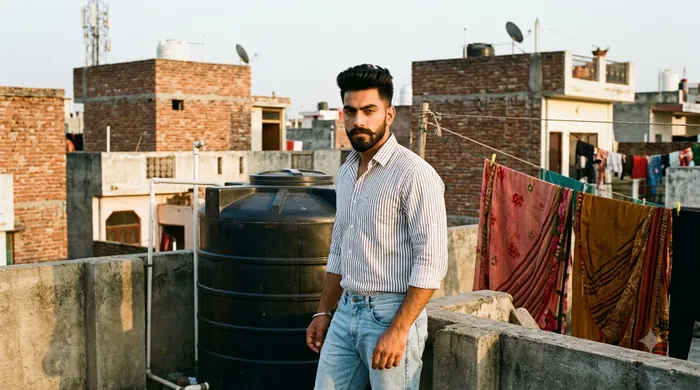 HOT
HOT
1980s Rooftop
Use the UPLOADED REFERENCE IMAGE as the absolute primary visual reference for the person/people. Recreate the same individual(s) in an authentic 1980s setting while preserving identity with maximum fidelity. REFERENCE-IMAGE PRESERVATION: - Preserve the exact facial identity, facial proportions, face shape, eyes, eyebrows, nose, lips, jawline, cheeks, ears, skin tone, natural facial asymmetry and recognizable features from the uploaded image. - Preserve the person's apparent age and natural expression unless the composition naturally requires a different expression. - Preserve the original hairstyle, hairline and hair characteristics as faithfully as possible; only make a subtle period-appropriate adjustment if necessary, without changing identity. - Preserve body proportions, posture, visible anatomy and recognizable physical characteristics from the reference. - Preserve the original clothing whenever practical if it suits the composition; otherwise adapt the clothing to authentic 1980s fashion while keeping the person's identity, body shape and visible features unchanged. - If multiple people appear in the reference, preserve EVERY person's individual identity separately and do not merge, replace, duplicate or swap faces. - Do not beautify, age, de-age, slim, enlarge eyes, reshape the nose, alter the jaw, change skin tone, or introduce generic AI facial features. - Do not invent missing facial or body parts. Keep anatomy consistent with what is actually visible in the reference. - The result must look like the SAME person photographed in the 1980s, not a different person inspired by the reference. SCENE: an Indian residential rooftop in the 1980s with water tanks, clotheslines, neighboring rooftops and golden-hour sunlight 1980s AUTHENTICITY: Build the environment, wardrobe, hairstyles, accessories, vehicles, furniture, signage, technology and small background details from the 1980s. Avoid anything invented after the era: modern smartphones, modern cars, LED panels, contemporary buildings, modern logos, modern fashion, modern screens or current digital devices. Use culturally appropriate Indian/Punjabi details when the scene calls for them. PHOTOGRAPHIC STYLE: Authentic analog 35mm photography, period-appropriate lens rendering, natural optical softness, realistic depth of field, subtle film grain, slight halation around bright highlights, gentle color fading, restrained contrast, realistic skin texture, believable shadows, natural exposure imperfections and fine photographic detail. The image should feel like a genuine photograph taken in the 1980s, not a modern image with a retro filter. COMPOSITION: Choose the framing that best matches the uploaded reference image and the scene. Maintain recognizable proportions and visual prominence of the reference subject. Use natural perspective, realistic scale, coherent lighting and physically believable interaction with the environment. Keep the person's face sharp enough for identity recognition. QUALITY AND REALISM: Ultra-photorealistic, highly detailed, natural skin pores, realistic hair strands, authentic fabric texture, physically accurate lighting, realistic hands and anatomy, coherent reflections and shadows, professional documentary/editorial photography quality. NEGATIVE INSTRUCTIONS: No face replacement, no identity drift, no different person, no facial morphing, no excessive beauty retouching, no plastic skin, no CGI appearance, no cartoon look, no anime, no distorted anatomy, no extra fingers, no duplicated people, no modern objects, no modern clothing unless unavoidable, no futuristic elements, no artificial HDR, no excessive sharpening, no fake film overlay, no watermark, no text unless naturally present in the period environment. FINAL GOAL: The uploaded reference person must remain unmistakably the same person, transported convincingly into the selected 1980s world. Prioritize identity preservation first, historical authenticity second, and cinematic photographic beauty third.
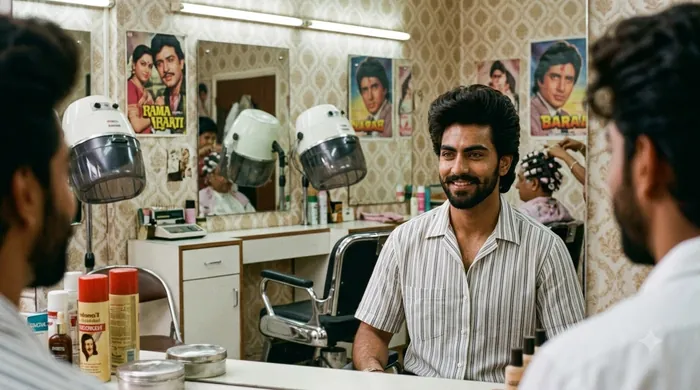 TOP
TOP
1980s Beauty Salon
Use the UPLOADED REFERENCE IMAGE as the absolute primary visual reference for the person/people. Recreate the same individual(s) in an authentic 1980s setting while preserving identity with maximum fidelity. REFERENCE-IMAGE PRESERVATION: - Preserve the exact facial identity, facial proportions, face shape, eyes, eyebrows, nose, lips, jawline, cheeks, ears, skin tone, natural facial asymmetry and recognizable features from the uploaded image. - Preserve the person's apparent age and natural expression unless the composition naturally requires a different expression. - Preserve the original hairstyle, hairline and hair characteristics as faithfully as possible; only make a subtle period-appropriate adjustment if necessary, without changing identity. - Preserve body proportions, posture, visible anatomy and recognizable physical characteristics from the reference. - Preserve the original clothing whenever practical if it suits the composition; otherwise adapt the clothing to authentic 1980s fashion while keeping the person's identity, body shape and visible features unchanged. - If multiple people appear in the reference, preserve EVERY person's individual identity separately and do not merge, replace, duplicate or swap faces. - Do not beautify, age, de-age, slim, enlarge eyes, reshape the nose, alter the jaw, change skin tone, or introduce generic AI facial features. - Do not invent missing facial or body parts. Keep anatomy consistent with what is actually visible in the reference. - The result must look like the SAME person photographed in the 1980s, not a different person inspired by the reference. SCENE: a period Indian beauty salon with vintage mirrors, chairs, hair dryers and authentic 1980s decor 1980s AUTHENTICITY: Build the environment, wardrobe, hairstyles, accessories, vehicles, furniture, signage, technology and small background details from the 1980s. Avoid anything invented after the era: modern smartphones, modern cars, LED panels, contemporary buildings, modern logos, modern fashion, modern screens or current digital devices. Use culturally appropriate Indian/Punjabi details when the scene calls for them. PHOTOGRAPHIC STYLE: Authentic analog 35mm photography, period-appropriate lens rendering, natural optical softness, realistic depth of field, subtle film grain, slight halation around bright highlights, gentle color fading, restrained contrast, realistic skin texture, believable shadows, natural exposure imperfections and fine photographic detail. The image should feel like a genuine photograph taken in the 1980s, not a modern image with a retro filter. COMPOSITION: Choose the framing that best matches the uploaded reference image and the scene. Maintain recognizable proportions and visual prominence of the reference subject. Use natural perspective, realistic scale, coherent lighting and physically believable interaction with the environment. Keep the person's face sharp enough for identity recognition. QUALITY AND REALISM: Ultra-photorealistic, highly detailed, natural skin pores, realistic hair strands, authentic fabric texture, physically accurate lighting, realistic hands and anatomy, coherent reflections and shadows, professional documentary/editorial photography quality. NEGATIVE INSTRUCTIONS: No face replacement, no identity drift, no different person, no facial morphing, no excessive beauty retouching, no plastic skin, no CGI appearance, no cartoon look, no anime, no distorted anatomy, no extra fingers, no duplicated people, no modern objects, no modern clothing unless unavoidable, no futuristic elements, no artificial HDR, no excessive sharpening, no fake film overlay, no watermark, no text unless naturally present in the period environment. FINAL GOAL: The uploaded reference person must remain unmistakably the same person, transported convincingly into the selected 1980s world. Prioritize identity preservation first, historical authenticity second, and cinematic photographic beauty third.
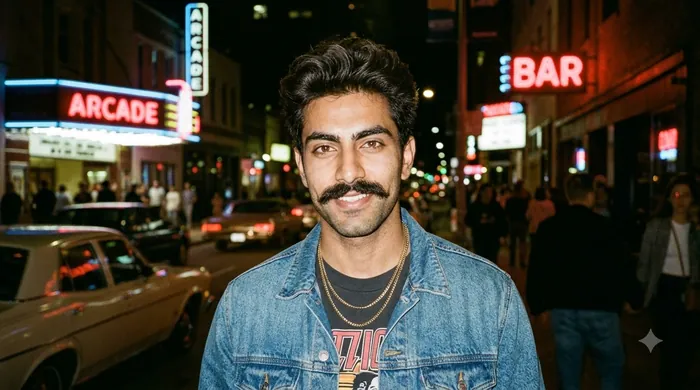 TOP
TOP
1980s Night Portrait
Use the UPLOADED REFERENCE IMAGE as the absolute primary visual reference for the person/people. Recreate the same individual(s) in an authentic 1980s setting while preserving identity with maximum fidelity. REFERENCE-IMAGE PRESERVATION: - Preserve the exact facial identity, facial proportions, face shape, eyes, eyebrows, nose, lips, jawline, cheeks, ears, skin tone, natural facial asymmetry and recognizable features from the uploaded image. - Preserve the person's apparent age and natural expression unless the composition naturally requires a different expression. - Preserve the original hairstyle, hairline and hair characteristics as faithfully as possible; only make a subtle period-appropriate adjustment if necessary, without changing identity. - Preserve body proportions, posture, visible anatomy and recognizable physical characteristics from the reference. - Preserve the original clothing whenever practical if it suits the composition; otherwise adapt the clothing to authentic 1980s fashion while keeping the person's identity, body shape and visible features unchanged. - If multiple people appear in the reference, preserve EVERY person's individual identity separately and do not merge, replace, duplicate or swap faces. - Do not beautify, age, de-age, slim, enlarge eyes, reshape the nose, alter the jaw, change skin tone, or introduce generic AI facial features. - Do not invent missing facial or body parts. Keep anatomy consistent with what is actually visible in the reference. - The result must look like the SAME person photographed in the 1980s, not a different person inspired by the reference. SCENE: a dramatic close-up 1980s night portrait with controlled flash, deep shadows and authentic analog film character 1980s AUTHENTICITY: Build the environment, wardrobe, hairstyles, accessories, vehicles, furniture, signage, technology and small background details from the 1980s. Avoid anything invented after the era: modern smartphones, modern cars, LED panels, contemporary buildings, modern logos, modern fashion, modern screens or current digital devices. Use culturally appropriate Indian/Punjabi details when the scene calls for them. PHOTOGRAPHIC STYLE: Authentic analog 35mm photography, period-appropriate lens rendering, natural optical softness, realistic depth of field, subtle film grain, slight halation around bright highlights, gentle color fading, restrained contrast, realistic skin texture, believable shadows, natural exposure imperfections and fine photographic detail. The image should feel like a genuine photograph taken in the 1980s, not a modern image with a retro filter. COMPOSITION: Choose the framing that best matches the uploaded reference image and the scene. Maintain recognizable proportions and visual prominence of the reference subject. Use natural perspective, realistic scale, coherent lighting and physically believable interaction with the environment. Keep the person's face sharp enough for identity recognition. QUALITY AND REALISM: Ultra-photorealistic, highly detailed, natural skin pores, realistic hair strands, authentic fabric texture, physically accurate lighting, realistic hands and anatomy, coherent reflections and shadows, professional documentary/editorial photography quality. NEGATIVE INSTRUCTIONS: No face replacement, no identity drift, no different person, no facial morphing, no excessive beauty retouching, no plastic skin, no CGI appearance, no cartoon look, no anime, no distorted anatomy, no extra fingers, no duplicated people, no modern objects, no modern clothing unless unavoidable, no futuristic elements, no artificial HDR, no excessive sharpening, no fake film overlay, no watermark, no text unless naturally present in the period environment. FINAL GOAL: The uploaded reference person must remain unmistakably the same person, transported convincingly into the selected 1980s world. Prioritize identity preservation first, historical authenticity second, and cinematic photographic beauty third.
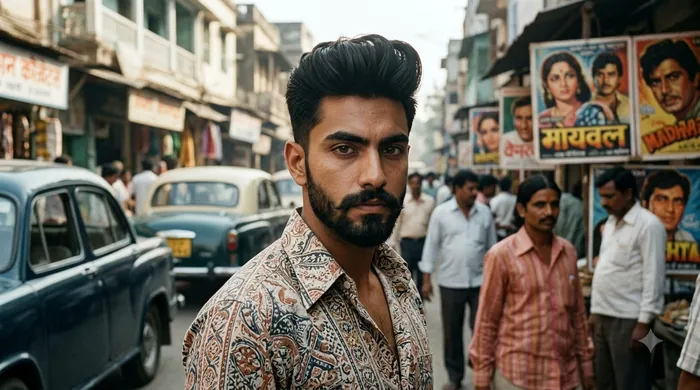 HOT
HOT
1980s Documentary Street Portrait
Use the UPLOADED REFERENCE IMAGE as the absolute primary visual reference for the person/people. Recreate the same individual(s) in an authentic 1980s setting while preserving identity with maximum fidelity. REFERENCE-IMAGE PRESERVATION: - Preserve the exact facial identity, facial proportions, face shape, eyes, eyebrows, nose, lips, jawline, cheeks, ears, skin tone, natural facial asymmetry and recognizable features from the uploaded image. - Preserve the person's apparent age and natural expression unless the composition naturally requires a different expression. - Preserve the original hairstyle, hairline and hair characteristics as faithfully as possible; only make a subtle period-appropriate adjustment if necessary, without changing identity. - Preserve body proportions, posture, visible anatomy and recognizable physical characteristics from the reference. - Preserve the original clothing whenever practical if it suits the composition; otherwise adapt the clothing to authentic 1980s fashion while keeping the person's identity, body shape and visible features unchanged. - If multiple people appear in the reference, preserve EVERY person's individual identity separately and do not merge, replace, duplicate or swap faces. - Do not beautify, age, de-age, slim, enlarge eyes, reshape the nose, alter the jaw, change skin tone, or introduce generic AI facial features. - Do not invent missing facial or body parts. Keep anatomy consistent with what is actually visible in the reference. - The result must look like the SAME person photographed in the 1980s, not a different person inspired by the reference. SCENE: an intimate documentary-style 1980s Indian street portrait capturing an authentic everyday environment 1980s AUTHENTICITY: Build the environment, wardrobe, hairstyles, accessories, vehicles, furniture, signage, technology and small background details from the 1980s. Avoid anything invented after the era: modern smartphones, modern cars, LED panels, contemporary buildings, modern logos, modern fashion, modern screens or current digital devices. Use culturally appropriate Indian/Punjabi details when the scene calls for them. PHOTOGRAPHIC STYLE: Authentic analog 35mm photography, period-appropriate lens rendering, natural optical softness, realistic depth of field, subtle film grain, slight halation around bright highlights, gentle color fading, restrained contrast, realistic skin texture, believable shadows, natural exposure imperfections and fine photographic detail. The image should feel like a genuine photograph taken in the 1980s, not a modern image with a retro filter. COMPOSITION: Choose the framing that best matches the uploaded reference image and the scene. Maintain recognizable proportions and visual prominence of the reference subject. Use natural perspective, realistic scale, coherent lighting and physically believable interaction with the environment. Keep the person's face sharp enough for identity recognition. QUALITY AND REALISM: Ultra-photorealistic, highly detailed, natural skin pores, realistic hair strands, authentic fabric texture, physically accurate lighting, realistic hands and anatomy, coherent reflections and shadows, professional documentary/editorial photography quality. NEGATIVE INSTRUCTIONS: No face replacement, no identity drift, no different person, no facial morphing, no excessive beauty retouching, no plastic skin, no CGI appearance, no cartoon look, no anime, no distorted anatomy, no extra fingers, no duplicated people, no modern objects, no modern clothing unless unavoidable, no futuristic elements, no artificial HDR, no excessive sharpening, no fake film overlay, no watermark, no text unless naturally present in the period environment. FINAL GOAL: The uploaded reference person must remain unmistakably the same person, transported convincingly into the selected 1980s world. Prioritize identity preservation first, historical authenticity second, and cinematic photographic beauty third.
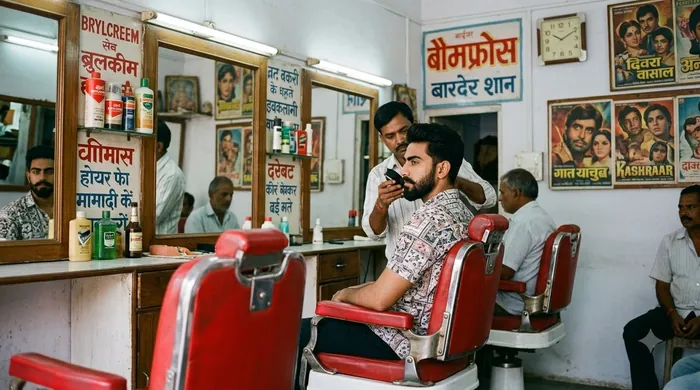 TOP
TOP
1980s Barbershop
Use the UPLOADED REFERENCE IMAGE as the absolute primary visual reference for the person/people. Recreate the same individual(s) in an authentic 1980s setting while preserving identity with maximum fidelity. REFERENCE-IMAGE PRESERVATION: - Preserve the exact facial identity, facial proportions, face shape, eyes, eyebrows, nose, lips, jawline, cheeks, ears, skin tone, natural facial asymmetry and recognizable features from the uploaded image. - Preserve the person's apparent age and natural expression unless the composition naturally requires a different expression. - Preserve the original hairstyle, hairline and hair characteristics as faithfully as possible; only make a subtle period-appropriate adjustment if necessary, without changing identity. - Preserve body proportions, posture, visible anatomy and recognizable physical characteristics from the reference. - Preserve the original clothing whenever practical if it suits the composition; otherwise adapt the clothing to authentic 1980s fashion while keeping the person's identity, body shape and visible features unchanged. - If multiple people appear in the reference, preserve EVERY person's individual identity separately and do not merge, replace, duplicate or swap faces. - Do not beautify, age, de-age, slim, enlarge eyes, reshape the nose, alter the jaw, change skin tone, or introduce generic AI facial features. - Do not invent missing facial or body parts. Keep anatomy consistent with what is actually visible in the reference. - The result must look like the SAME person photographed in the 1980s, not a different person inspired by the reference. SCENE: a classic 1980s Indian barbershop with a vintage barber chair, mirror, tools and period interior 1980s AUTHENTICITY: Build the environment, wardrobe, hairstyles, accessories, vehicles, furniture, signage, technology and small background details from the 1980s. Avoid anything invented after the era: modern smartphones, modern cars, LED panels, contemporary buildings, modern logos, modern fashion, modern screens or current digital devices. Use culturally appropriate Indian/Punjabi details when the scene calls for them. PHOTOGRAPHIC STYLE: Authentic analog 35mm photography, period-appropriate lens rendering, natural optical softness, realistic depth of field, subtle film grain, slight halation around bright highlights, gentle color fading, restrained contrast, realistic skin texture, believable shadows, natural exposure imperfections and fine photographic detail. The image should feel like a genuine photograph taken in the 1980s, not a modern image with a retro filter. COMPOSITION: Choose the framing that best matches the uploaded reference image and the scene. Maintain recognizable proportions and visual prominence of the reference subject. Use natural perspective, realistic scale, coherent lighting and physically believable interaction with the environment. Keep the person's face sharp enough for identity recognition. QUALITY AND REALISM: Ultra-photorealistic, highly detailed, natural skin pores, realistic hair strands, authentic fabric texture, physically accurate lighting, realistic hands and anatomy, coherent reflections and shadows, professional documentary/editorial photography quality. NEGATIVE INSTRUCTIONS: No face replacement, no identity drift, no different person, no facial morphing, no excessive beauty retouching, no plastic skin, no CGI appearance, no cartoon look, no anime, no distorted anatomy, no extra fingers, no duplicated people, no modern objects, no modern clothing unless unavoidable, no futuristic elements, no artificial HDR, no excessive sharpening, no fake film overlay, no watermark, no text unless naturally present in the period environment. FINAL GOAL: The uploaded reference person must remain unmistakably the same person, transported convincingly into the selected 1980s world. Prioritize identity preservation first, historical authenticity second, and cinematic photographic beauty third.